Table of Contents
- What Is a Japanese Head Spa?
- Core Benefits of Head Spa Treatments
- Benefits of Scalp Massage for Hair Growth
- Scalp Analysis Benefits and Professional Assessment
- Japanese Head Spa Treatment Duration and Session Structure
- What to Expect During Your First Session
- DIY vs. Professional Head Spa Treatments
- Frequency and Long-Term Results
- Frequently Asked Questions
Last Updated: September 29, 2026
What Is a Japanese Head Spa?
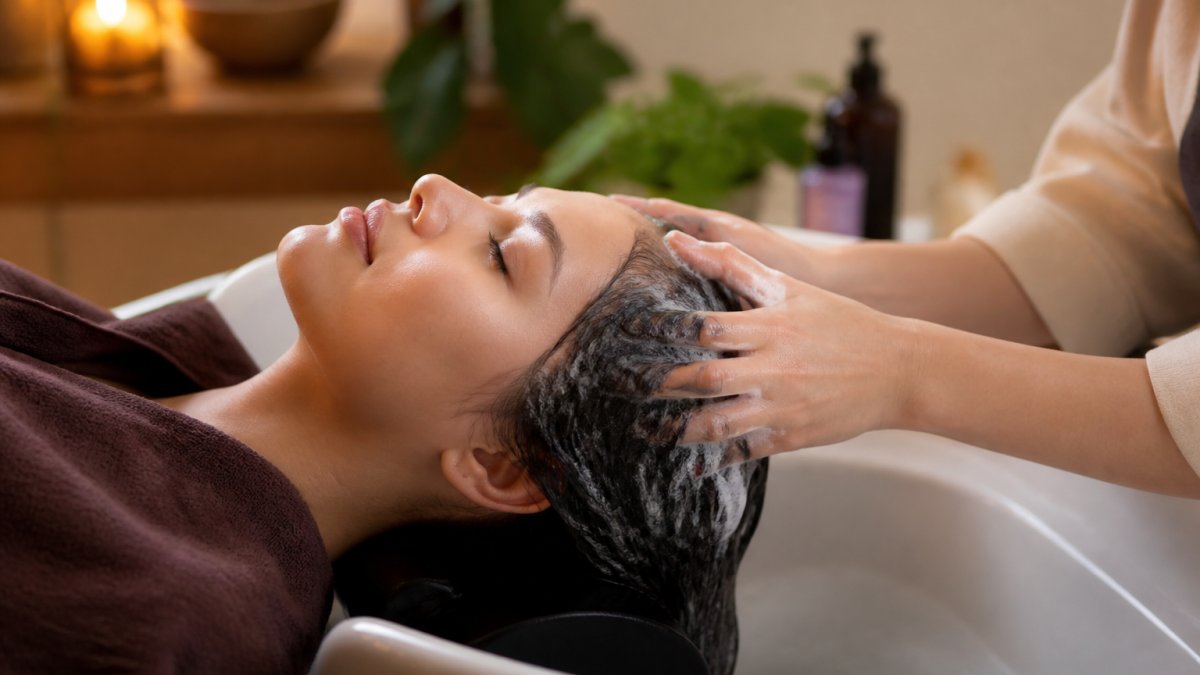
A head spa is a specialized scalp treatment that combines deep cleansing, therapeutic massage, and targeted skincare to promote scalp health and relaxation, delivering numerous head spa benefits. Originating in Japan, this treatment uses warm water, gentle pressure, and specialized techniques to cleanse the scalp, remove product buildup, and stimulate blood circulation to hair follicles.
Unlike a standard salon shampoo, a professional head spa treatment involves multiple stages. The therapist uses a combination of water pressure, massage techniques, and sometimes specialized serums or cleansing solutions to address specific scalp conditions. The experience typically includes a scalp analysis to identify your individual needs, followed by customized treatment steps designed to restore balance and vitality to your scalp environment.
At Camellia Scalp and Skin Lounge, our head spa treatments combine Japanese-inspired techniques with advanced scalp analysis to support scalp health and comfort. The treatment addresses concerns from visible flaking and itchiness to underlying sebum regulation and follicle stimulation.
Core Benefits of Head Spa Treatments
Deep Cleansing and Scalp Detox
The primary benefit of a head spa is thorough cleansing that goes far beyond what regular shampooing achieves. Product buildup accumulates on the scalp over time from styling products, conditioners, dry shampoos, and environmental pollutants. This buildup blocks the scalp’s natural ability to regulate itself and can trap moisture or create an environment where irritation develops.
A professional head spa uses targeted water pressure and specialized cleansing techniques to dissolve and remove this buildup without stripping the scalp of its natural oils. The deep cleansing action helps restore the scalp’s natural pH balance and allows the skin to breathe. Many clients report that their scalp feels noticeably lighter and clearer immediately after treatment, with improved comfort.
The scalp detox process also helps prepare your scalp for better absorption of any treatments or products applied afterward. A cleansed scalp environment is more receptive to hydrating serums or therapeutic ingredients that support long-term scalp health.
Addressing Scalp Issues: Dandruff, Dryness, and Oil Imbalance
Scalp problems like dandruff, excessive dryness, and oily buildup often stem from an imbalanced scalp environment. When the scalp’s natural microbiome and moisture barrier are disrupted, these issues develop and persist despite home care efforts.
A head spa treatment directly addresses these root causes by restoring scalp hydration, regulating sebum production, and rebalancing the scalp’s natural ecosystem. For clients dealing with persistent flaking or itchiness, the combination of gentle exfoliation and targeted hydration often provides relief. The therapeutic massage component also improves circulation to the scalp, which supports the skin’s natural healing and regeneration processes.
Professional scalp analysis identifies whether your issue is truly dryness, dehydration, excess oil, or a combination of factors. This distinction matters because the treatment approach differs. A truly dry scalp needs moisture replenishment, while an oily scalp often needs better sebum regulation and cleansing. Addressing the actual problem rather than guessing at it makes the difference between temporary relief and lasting improvement.
Stress Relief and Relaxation Through Therapeutic Massage
The scalp massage component of a head spa treatment delivers significant stress relief benefits. The scalp contains numerous nerve endings, and therapeutic massage in this area activates the parasympathetic nervous system, which is responsible for relaxation and recovery (pubmed.ncbi.nlm.nih.gov).
During a professional head spa session, the therapist uses specific massage techniques that release tension in the scalp, neck, and shoulder areas. Many clients experience a profound sense of calm during treatment. The combination of warm water, gentle pressure, and skilled touch creates a deeply rejuvenating sensory experience.
Regular head spa treatments can help manage stress-induced scalp tension and may support better sleep quality. The relaxation response triggered during treatment extends beyond the appointment itself.
Benefits of Scalp Massage for Hair Growth
Follicle Stimulation and Blood Circulation
One of the most sought-after benefits of scalp massage is its potential to support hair growth through improved blood circulation. When blood flow to the scalp increases, hair follicles receive more oxygen and nutrients, which supports the hair growth cycle and follicle health (Checking your browser).
The therapeutic massage techniques used in a professional head spa session are specifically designed to stimulate blood circulation without causing irritation. This sustained increase in blood flow to the scalp can help nourish hair follicles over time. For clients concerned with thinning hair or slow hair growth, regular head spa treatments combined with proper home care offer a non-invasive way to support hair vitality.
The follicle stimulation benefits are cumulative, meaning that regular treatments tend to show better results than occasional sessions.
Hair Manageability and Shine Enhancement
A healthy scalp environment directly translates to healthier-looking hair. When the scalp is properly cleansed, hydrated, and balanced, hair becomes more manageable, shinier, and stronger from root to tip.
The deep cleansing and hydration from a head spa treatment removes the dullness caused by product buildup and environmental deposits. Hair that emerges from a clean, nourished scalp has better texture, more natural shine, and improved styling capability.
Enhanced hair vitality may support the lifespan of color treatments and reduce breakage. Hair that grows from a healthy scalp environment is naturally stronger and more resilient, which means better overall hair quality regardless of styling or coloring choices.
Scalp Analysis Benefits and Professional Assessment
Professional scalp analysis is a critical component of an effective head spa treatment. Rather than guessing at what your scalp needs, a trained professional uses microscopic examination or detailed visual assessment to identify your specific scalp condition and recommend targeted treatment.
A thorough scalp analysis reveals information that you cannot see with the naked eye: the actual moisture level of your scalp, the degree of buildup, the health of individual follicles, and any areas of irritation or inflammation. This diagnostic information allows the therapist to customize the treatment to address your exact needs rather than applying a one-size-fits-all approach.
The assessment also establishes a baseline for measuring improvement over time.
Japanese Head Spa Treatment Duration and Session Structure
Understanding the structure of a professional head spa session helps you prepare for what to expect and plan your time accordingly. A typical head spa treatment follows a specific sequence designed to maximize benefits.
What to Expect During Your First Session
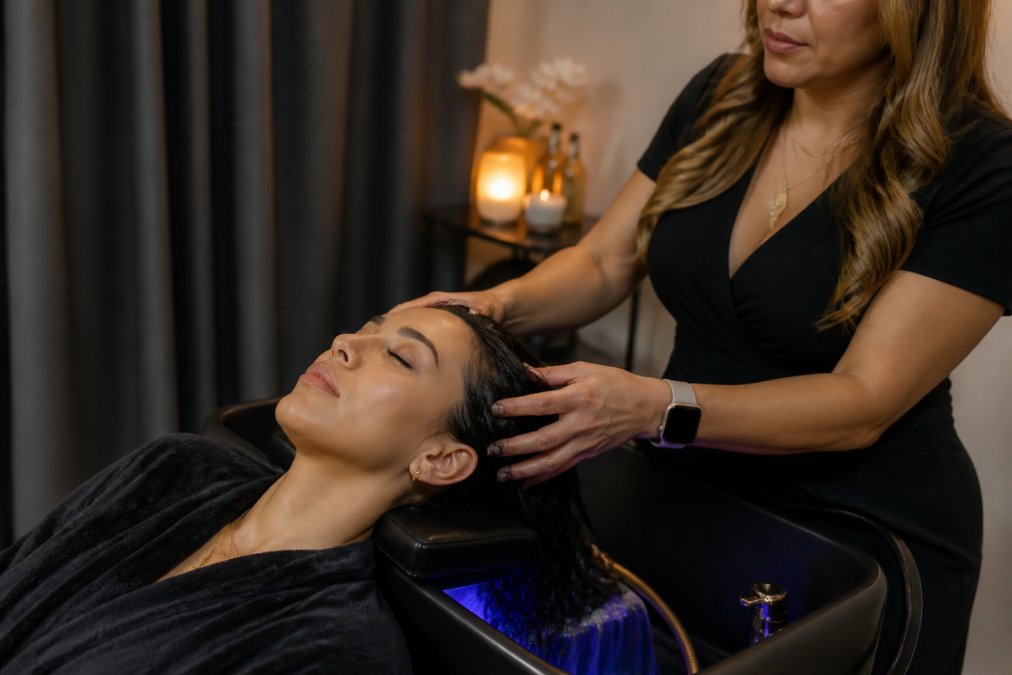
Your first head spa appointment begins with a detailed consultation about your scalp concerns, hair history, and any sensitivities. The therapist will ask about your current routine, products you use, and any previous scalp issues you’ve experienced. This conversation informs the entire treatment plan.
Important Pre-Treatment Screening
- Active scalp infections or wounds: Fungal infections (ringworm), bacterial infections, or open cuts should be fully healed before treatment, as massage and water pressure can spread infection or cause pain.
- Recent head or neck surgery: Clients should wait at least 2-4 weeks post-surgery before receiving scalp massage, depending on the procedure and surgeon approval.
- Severe sunburn or chemical burns on the scalp: Thermal or chemical damage requires healing before treatment.
- Certain skin conditions: Clients with psoriasis, eczema, or seborrheic dermatitis may benefit from head spa treatments, but the therapist should use gentler pressure and avoid exfoliation during flare-ups.
- Migraine or tension headache disorders: While many clients find head spa relaxing, those prone to migraines triggered by pressure or temperature changes should discuss this with their therapist beforehand.
- High blood pressure or cardiovascular concerns: The relaxation response and blood flow changes during treatment are generally safe, but clients on blood pressure medication should inform their therapist.
- Pregnancy: Head spa treatments are typically safe during pregnancy, but certain pressure points and heat exposure should be discussed with your healthcare provider.
DIY vs. Professional Head Spa Treatments
While at-home scalp care is valuable, professional head spa treatments deliver benefits that DIY approaches cannot match. The difference comes down to equipment, technique, expertise, and the depth of treatment possible.
Frequency and Long-Term Results
How often you should receive head spa treatments depends on your specific scalp condition and goals. For clients addressing active scalp issues like dandruff or significant buildup, regular treatments may provide noticeable improvement. Once the condition improves, maintenance treatments may help sustain results.
Frequently Asked Questions
What are the main benefits of getting a head spa treatment?
Head spa treatments deliver multiple benefits: deep cleansing that removes product buildup and impurities, improved scalp hydration and sebum regulation, reduced dandruff and itchiness, enhanced blood circulation to follicles, and stress relief through therapeutic massage. Many people report noticeable improvements in hair shine, manageability, and overall scalp comfort within the first few sessions.
How does scalp analysis benefit my hair health?
Professional scalp analysis identifies your specific scalp condition, including moisture levels, oil imbalance, sensitivity, and any underlying issues like product buildup or inflammation. This assessment allows your therapist to customize treatments to your exact needs rather than using a one-size-fits-all approach. Understanding your scalp environment is the foundation for targeted, effective care that actually addresses your concerns.
Can head spa treatments help with hair thinning or loss?
While head spa treatments cannot reverse genetic hair loss, they support scalp health in ways that may benefit hair growth. The therapeutic massage increases blood circulation to follicles, the deep cleansing removes buildup that can suffocate hair roots, and scalp hydration creates an optimal environment for hair vitality. For concerns about significant hair loss, consult a dermatologist or qualified professional to rule out underlying conditions that require medical treatment.
How long does a typical Japanese head spa treatment take?
A standard Japanese head spa treatment includes scalp analysis, deep cleansing, exfoliation, massage, and hydration steps. Some facilities offer extended sessions that combine head spa with facial treatments or other services, which can run longer. Your therapist will explain the timeline during your consultation.
How often should I get a head spa treatment for best results?
Frequency depends on your scalp condition. Your therapist will recommend a schedule tailored to your scalp’s needs during your first assessment.
Is a head spa treatment safe for all scalp types?
Head spa treatments are generally safe for most people, but certain conditions warrant caution. Avoid treatment if you have open wounds, severe scalp infections, or recent head surgery. Those with sensitive skin, migraines triggered by scalp touch, or certain medical conditions should consult their healthcare provider first. Inform your therapist of any allergies, sensitivities, or health concerns so they can adjust the treatment appropriately.