Table of Contents
- Why a Scalp Health Routine Matters for Beginners
- Scalp Care Routine Steps: A Beginner’s Weekly Walkthrough
- How Often to Wash Your Hair Without Overdoing It
- How to Fix Dry Itchy Scalp at Home
- Scalp Buildup Treatment: Clearing Product and Oil Residue
- Common Beginner Mistakes and When to See a Professional
- Conclusion
- Frequently Asked Questions
Last Updated: October 18, 2026
Why a Scalp Health Routine Matters for Beginners
A scalp health routine is a simple, repeatable set of cleansing, conditioning, and care steps that keep the skin under your hair clean, calm, and balanced. Most people spend years on hair care and almost none on scalp care. That is backwards.
The scalp is skin. It has oil glands, a microbiome, and a turnover cycle just like your face. When it gets clogged or irritated, you notice it as itching, flaking, or buildup near the roots. At Camellia Scalp and Skin Lounge, we see this constantly.
Here is what most guides get wrong: they push you straight into oils and scrubs. Beginners need the basics first. Get cleansing and conditioning right, and half the problems disappear on their own.
Below, we walk you through seven steps, a wash schedule, and the warning signs that mean stop.
A beginner scalp health routine is not about adding products. It is about frequency, gentleness, and consistency. Three good habits beat ten random ones.
Scalp Care Routine Steps: A Beginner’s Weekly Walkthrough
A beginner scalp care routine has four core moves: identify your scalp type, cleanse and condition gently, add targeted care only where you need it, and follow a simple weekly schedule. Do these consistently and you have a foundation you can build on.
Step 1: Identify Your Scalp Type
Your scalp type decides everything that follows. Check it a day after washing, not on wash day, and look at the skin at your part and hairline rather than the hair itself.
- Dry scalp: tight feeling, small white flakes, rarely greasy, often worse in winter or after hot showers
- Oily scalp: shine at the roots within a day, heavier buildup, hair feels flat by afternoon
- Sensitive scalp: stings, itches, or reddens with new products, fragrance, or heat
- Combination: oily at the crown and front hairline, dry or tight at the sides and nape
- Balanced: comfortable, minimal flaking, no tightness
Write it down and recheck monthly, because seasons, stress, and hormonal shifts move it. If you are between two types, treat the oilier zone as your default and spot-treat the drier areas.
Step 2: Cleanse Gently, Condition Wisely
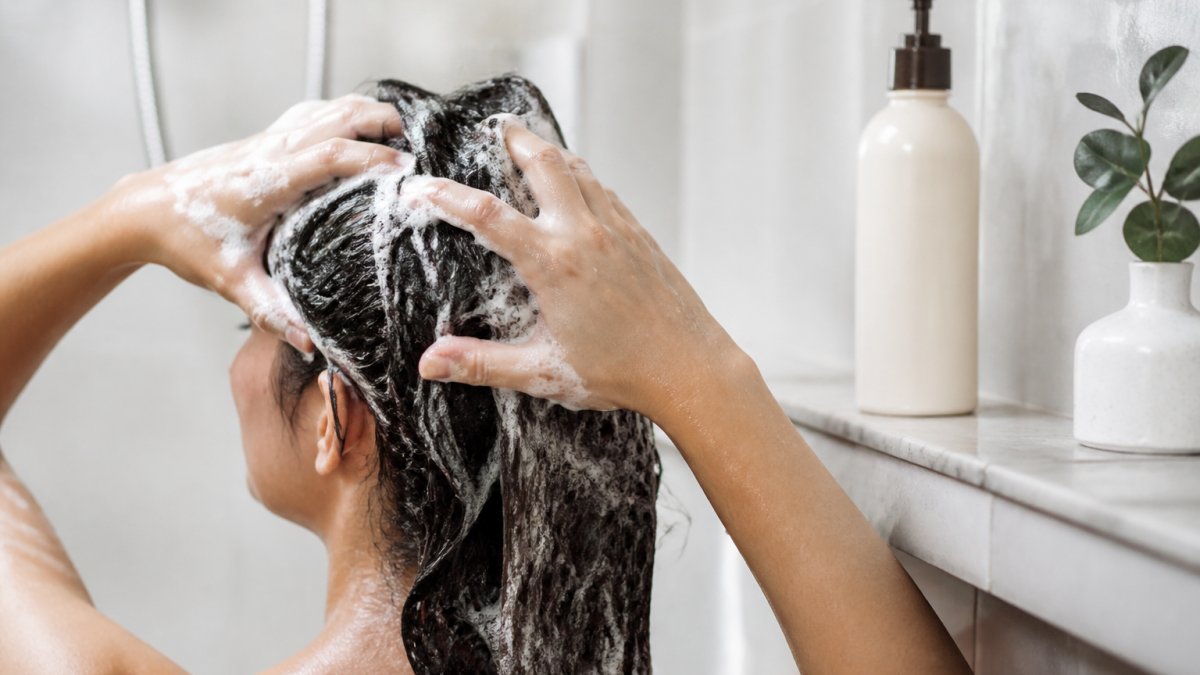
Wet your hair, then apply shampoo to the scalp only. Use your fingertips, never your nails. Massage for about a minute before rinsing.
Conditioner goes on the mid-lengths and ends. Keep it off the scalp unless the label says otherwise. Rinse longer than feels necessary, especially at the nape, where residue collects.
Step 3: Add Targeted Care by Scalp Type
This is where most beginner guides lump everyone together. Match the add-on to your type instead:
- Oily scalp: a clarifying wash every one to two weeks; a lightweight scalp serum rather than a heavy oil; skip pre-wash oiling unless your ends need it
- Dry scalp: a fragrance-free, non-comedogenic oil massaged in 30 minutes before washing, once a week; a gentle exfoliation every two to four weeks
- Sensitive scalp: patch-test anything new behind the ear for 48 hours; avoid essential-oil-heavy products and physical scrubs with large particles; stick to fragrance-free formulas
- Combination: oil only the dry zones, clarify only the oily zones, and keep the rest of the routine neutral
Oils and exfoliants are not mandatory. They are tools for a specific problem. If your scalp is comfortable on cleansing and conditioning alone, you do not need to add them.
Step 4: Massage and Track
Spend two minutes massaging your scalp with your fingertips during or after washing. Gentle pressure, small circles. It supports blood flow and helps you notice changes early.
Then track it. A note on your phone works fine: date, wash frequency, flaking, itching, products used. Progress is slow, so the log is what tells you a product is actually helping rather than coinciding with a good week.
A Simple Weekly Schedule for Beginners
Use this as a starting template, then adjust one variable at a time:
- Daily: two-minute fingertip massage; no scratching
- Wash days (two to three times per week for most beginners): shampoo scalp, condition ends, rinse thoroughly
- Once weekly: check in on flaking, itching, and buildup; update your log
- Every one to two weeks: clarifying wash if you are oily or use heavy styling products
- Every two to four weeks: gentle exfoliation if your scalp tolerates it; pre-wash oil only if you are dry
- Monthly: clean your brushes and swap pillowcases weekly; recheck your scalp type
A beginner routine is not a product list. It is a schedule you can repeat. Start with cleansing, conditioning, and massage for two weeks before adding oils or exfoliants.
How Often to Wash Your Hair Without Overdoing It
Wash frequency depends on your scalp type, not a universal rule. Oily scalps often need washing every one to two days. Dry and sensitive scalps usually do better every two to three days.
Curly and coily hair may stretch to once a week or longer, with scalp cleansing in between. Heat styling, sweat, and heavy products all push you toward more frequent washing.
The signs you are overdoing it: tightness after washing, more flaking, and irritation at the hairline. The signs you are underdoing it: buildup, odor, and itching near the roots.
Adjust one variable at a time. Give each change two weeks before judging it.
How to Fix Dry Itchy Scalp at Home
Most dry, itchy scalp cases improve with gentler products and less friction. Start by swapping to a sulfate-free shampoo and cutting back on hot water.
Try these fixes, in order:
- Lower your water temperature to warm, not hot
- Wash less often and rinse thoroughly
- Skip harsh styling products for two weeks
- Stop scratching, even gently, since it feeds irritation
- Use a fragrance-free conditioner on the ends only
If itching persists past a few weeks, or comes with redness, sores, or hair loss, stop guessing. That is a conversation for a dermatologist or licensed professional.
Scratching feels like relief but damages the skin barrier. Persistent scratching can turn mild irritation into raw, inflamed patches that take far longer to settle.
Scalp Buildup Treatment: Clearing Product and Oil Residue
Scalp buildup is the layer of dead skin, oil, and product residue that collects at the roots. It causes flat hair, itching, and a heavy feeling near the crown. Most beginners have some, and most misdiagnose it as dryness.
How to Tell Buildup From Dryness
This distinction changes what you should do, so check before you treat:
- Buildup: hair feels coated or waxy near the roots, flakes are yellowish or cling to the scalp, itching worsens a day or two after washing, and your usual shampoo stops lathering well
- Dryness: tightness after washing, small white flakes that brush off easily, and comfort improves with gentler cleansing and less frequent washing
If you are unsure, do not add a harsh treatment. Wash with your normal shampoo for a week and note whether the symptoms track with product use or with weather and water temperature.
Clear It With a Routine Reset, Not a Single Harsh Treatment
- Clarify once every one to two weeks with a clarifying shampoo
- Skip silicone-heavy serums for a week
- Rinse conditioner completely, every time
- Clean your brushes and pillowcases weekly
- Use a scalp exfoliating treatment monthly, if your scalp tolerates it
Go slow with exfoliation. Once a month is plenty for beginners. Over-exfoliating strips the barrier and creates the irritation you were trying to fix.
Ingredient Guidance That Actually Helps
Rather than chasing “sulfate-free” as a label, match ingredients to the job:
- For clarifying: surfactants such as sodium lauryl sulfate or sodium laureth sulfate do the heavy lifting; use them periodically, not daily, if you are oily or use heavy products
- For gentle daily cleansing: milder surfactants such as cocamidopropyl betaine or sodium cocoyl isethionate suit dry and sensitive scalps
- For exfoliation: salicylic acid helps loosen scale and oil; use it in a leave-on or rinse-off product once weekly at most, and patch-test first
- For moisture without buildup: lightweight, non-comedogenic oils such as squalane or fractionated coconut oil; avoid heavy butters and mineral oil on an oily scalp
- To avoid irritation: fragrance, essential oils, and menthol can feel cooling but sting sensitive skin; skip them if you react
Sulfate-free is not automatically better. It matters for color-treated or very dry hair, but a sulfate-free formula that leaves residue can worsen buildup on an oily scalp.
Evidence-Based Cautions on Oils and Exfoliation
Oils and scrubs are the two steps most likely to backfire for beginners. Most practitioners find that pre-wash oiling helps dry, tight scalps but can feed buildup and itching on oily or sensitive ones. Physical scrubs with large particles can create microtears, and acid exfoliants used too often strip the barrier. If you are unsure, skip both for a month and see whether your scalp improves on cleansing and conditioning alone.
Apply clarifying shampoo to a dry scalp before you wet it. It clings to residue instead of sliding off, and you get a deeper clean without scrubbing harder.
Stop any exfoliant or oil that causes stinging, redness, or increased flaking, and give your scalp two weeks off before trying anything new. Persistent scaling, painful bumps, or spreading irritation belongs with a dermatologist, not a stronger scrub.
Common Beginner Mistakes and When to See a Professional
The biggest beginner mistake is changing five things at once. When something works, you cannot tell what did it. Change one product or habit, then wait.
Other common errors:
- Applying conditioner to the roots and leaving it there
- Using hot water because it feels good
- Treating flaking as dryness when it may be buildup
- Buying strong actives before mastering basic cleansing
- Skipping the rinse, which leaves residue behind
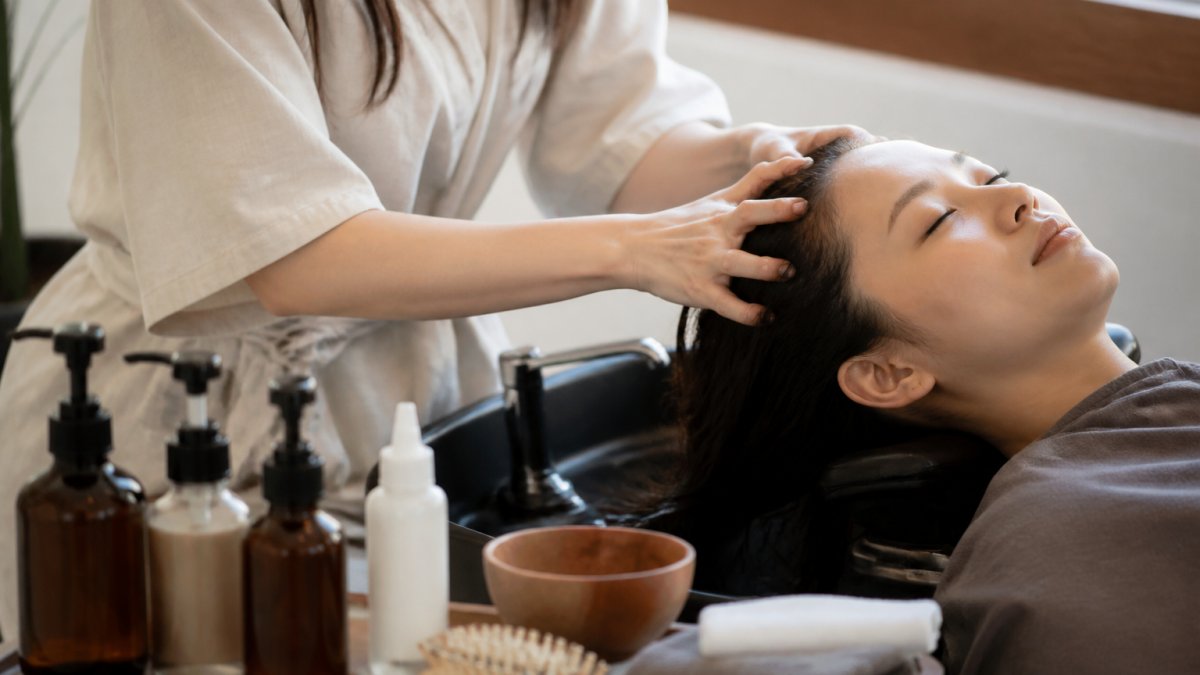
See a professional if you notice sudden hair fall, patches of missing hair, painful bumps, or flaking that spreads despite good care. A licensed provider can assess your scalp and recommend a plan. Our team offers scalp analysis as part of our head spa treatments, and we will tell you honestly when a concern belongs with a medical professional instead.
Conclusion
Starting a scalp health routine is simple, but staying consistent is the hard part. That is where professional care helps.
At Camellia Scalp and Skin Lounge, our licensed team offers scalp analysis, deep cleansing head spa rituals, and relaxing scalp massage in a calm lounge setting. We keep pricing transparent on our website, and we offer same-day availability when you need it.
Book now with Camellia Scalp and Skin Lounge and give your scalp the reset it has been asking for.
Frequently Asked Questions
How often should beginners wash their scalp?
Most beginners do well washing every two to three days, but the right frequency depends on your scalp type. An oily scalp may need daily or every-other-day washing, while a dry or sensitive scalp often does better with two washes a week. Watch how your scalp feels between washes: tightness and flaking suggest you are washing too often, while greasy roots and itching suggest you are washing too little. Adjust gradually and keep notes for a few weeks.
What should a basic scalp care routine include?
A simple scalp health routine covers four things: gentle cleansing with a shampoo suited to your scalp type, conditioning focused on the hair lengths rather than the roots, a short scalp massage to support blood flow, and a weekly treatment such as exfoliation or a pre-wash oil for dry scalps. Add a buildup treatment every few weeks if you use styling products. Skip harsh scrubs and strong fragrances until you know how your scalp reacts.
Can natural oils help a dry, itchy scalp?
Oils such as camellia, jojoba, and coconut can ease tightness and flaking on a dry scalp when used as a pre-wash treatment, applied 20 to 30 minutes before shampooing and rinsed out fully. They are less helpful on an oily or buildup-prone scalp, where added oil can worsen itching and flaking. Patch test first, use a small amount, and stop if irritation appears. Persistent itching deserves a professional evaluation.
How can you tell if your scalp is dry or oily?
Check your scalp a few hours after washing. A dry scalp feels tight and may show fine white flakes near the hairline, while an oily scalp feels greasy at the roots and flakes can look yellowish and cling to the hair. Buildup-prone scalps often itch along the crown. If you cannot tell, a scalp analysis at a professional studio can identify your scalp type and guide product choices.