Table of Contents
- What a Scalp Exfoliant Can and Cannot Do for Hair Growth
- Quick Comparison: 2026 Scalp Exfoliant Picks
- 1. Camellia Scalp and Skin Lounge, Best Overall for Personalized Care
- 3. Crown Affair The Cleansing Scalp Scrub ($54)
- 4. Christophe Robin Purifying Scalp Scrub with Sea Salt
- 5. Head & Shoulders Supreme Exfoliating Scalp Scrub
- 6. Oribe Serene Scalp Exfoliating Scrub
- 7. STEAMBASE Tea Tree Scalp Water Scaler
- How to Exfoliate Scalp at Home Without Damaging Hair
- Scalp Scrub Benefits for Hair Growth: What to Realistically Expect
- Physical vs. Chemical Exfoliation: Which Suits Your Scalp
- Frequently Asked Questions
Last Updated: October 9, 2026
What a Scalp Exfoliant Can and Cannot Do for Hair Growth
A scalp exfoliant lifts dead skin cells, excess sebum, and product buildup from the scalp surface. When residue accumulates at the base of the hair, the scalp can feel itchy, tight, or congested, and hair looks dull and limp.
Exfoliation supports a healthier scalp environment, which supports healthier-looking hair. It does not reverse genetic hair loss on its own.
The Evidence: Exfoliation vs. Actual Hair Regrowth
No published research we’ve reviewed shows that scrubbing your scalp directly triggers new hair growth. A clean scalp removes the barriers that make hair look thinner than it is: flakes, oil, and residue that flatten strands at the root.
If shedding is tied to a medical cause such as androgenetic alopecia, thyroid issues, or a nutritional deficiency, a scrub will not fix it; that requires a dermatologist’s diagnosis and treatment plan. Exfoliation is scalp hygiene, not hair-loss therapy.
A common mistake is scrubbing harder when results feel slow. Aggressive physical exfoliation can irritate the scalp and cause temporary shedding, the opposite of what you want. Gentle, consistent use beats force every time.
When Flaking or Shedding Needs a Professional Look
Occasional flakes after heavy product use are normal and respond to gentle cleansing. Persistent flaking, redness, crusting, or patchy shedding is different.
See a dermatologist if you notice any of the following:
- Flakes that return within a day or two of washing
- Sores, scabs, or raw patches on the scalp
- Shedding in clumps rather than a gradual thinning
These signs point to conditions like seborrheic dermatitis, psoriasis, or a fungal issue, none of which a scrub will resolve. A professional evaluation is the fastest path to relief.
Quick Comparison: 2026 Scalp Exfoliant Picks
Here’s how the picks below compare at a glance. Prices reflect editorial listings and may change with retailer promotions.
| Product | Format | Starting Price | Best For |
|---|---|---|---|
| Camellia Scalp and Skin Lounge | In-studio treatment | See pricing page | Personalized scalp analysis and deep cleansing |
| Briogeo Scalp Revival | Micro-exfoliating shampoo | $42 | Combining exfoliation with shampooing |
| Crown Affair The Cleansing Scalp Scrub | Scrub shampoo | $54 | A premium scrub-and-shampoo in one step |
| Christophe Robin Purifying Scrub | Sea salt scrub | Listed in editorial roundups | Physical exfoliation with sea salt |
| Head & Shoulders Supreme | Exfoliating scrub | Budget pick per InStyle | A lower-cost squeeze-tube option |
| Oribe Serene Scalp | Chemical + physical scrub | Not listed | Dual-action exfoliation |
| STEAMBASE Tea Tree Water Scaler | Liquid exfoliator | Not listed | Those who prefer liquid over grit |
1. Camellia Scalp and Skin Lounge, Best Overall for Personalized Care
At Camellia Scalp and Skin Lounge, we start with a scalp analysis, then build the session around what your scalp needs: deep cleansing, hydration, or reduced buildup.
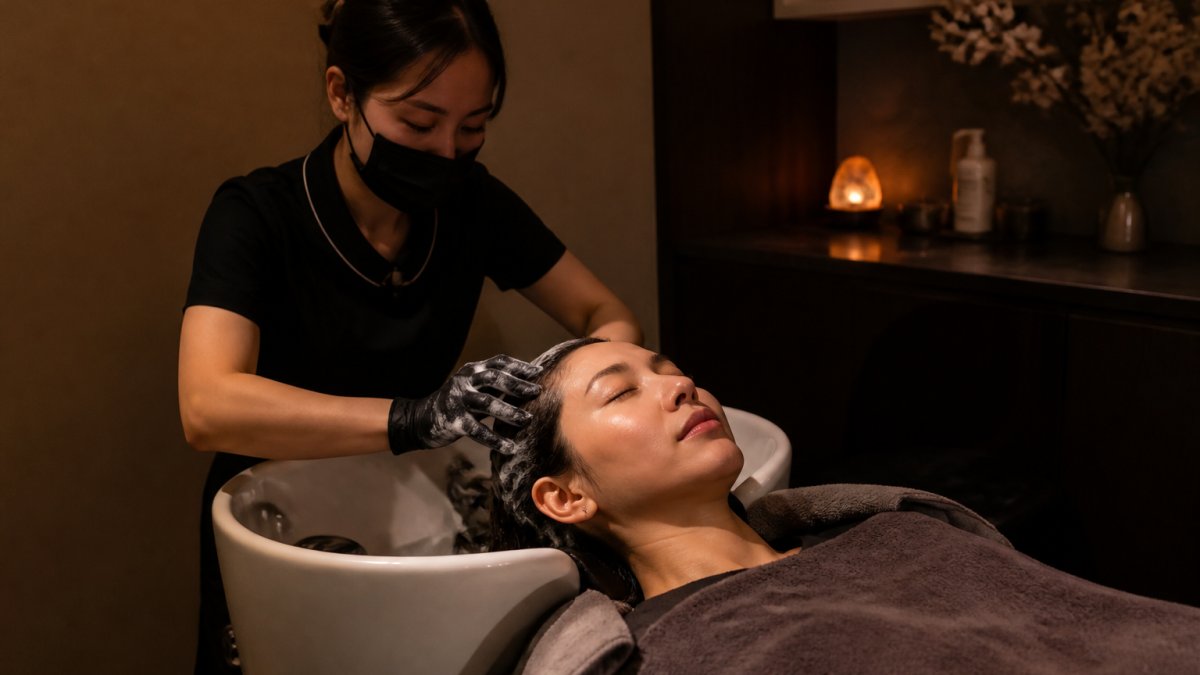
One limitation: this is an appointment-based service, not a product you keep in the shower.
3. Crown Affair The Cleansing Scalp Scrub ($54)
Crown Affair’s scrub shampoo earned InStyle’s best overall pick in its 2026 roundup and is listed at Sephora. It handles cleansing and scrubbing in one pass, suiting anyone who wants a simplified routine.
At $54, it sits at the premium end of the at-home options here. The supplied results don’t detail its ingredients or directions, so check the label if you have a sensitive scalp.
4. Christophe Robin Purifying Scalp Scrub with Sea Salt
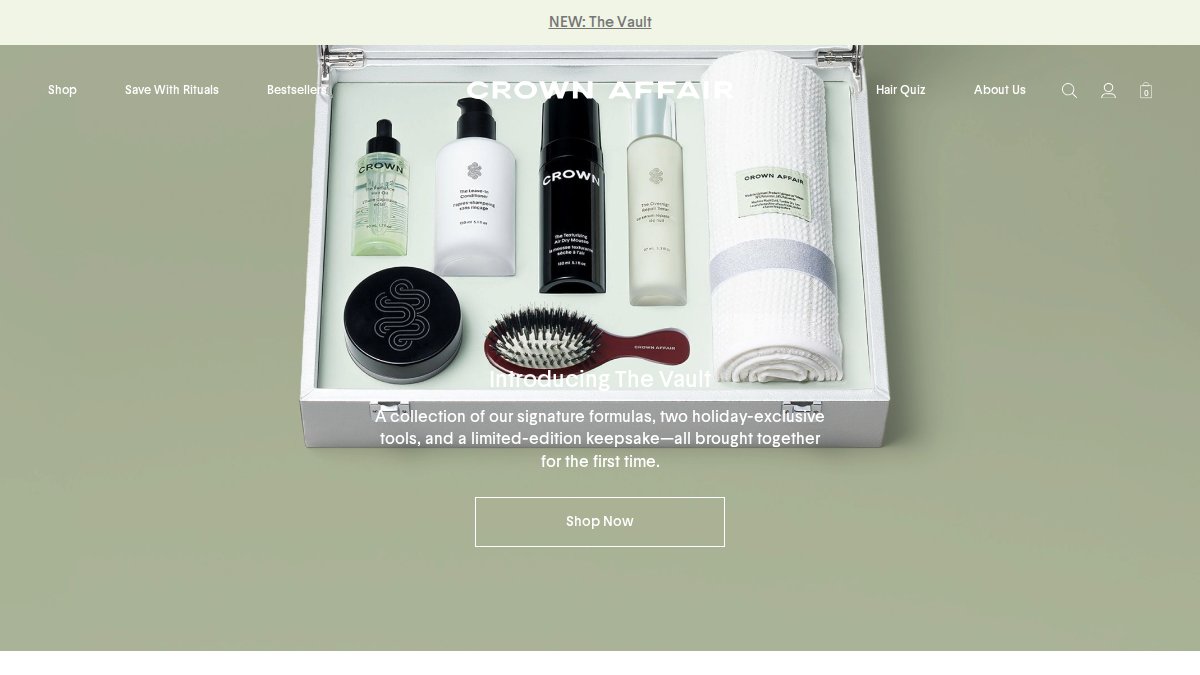
Sea salt gives this scrub its grit, and it’s been featured as a leading pick by both Byrdie and Glamour. The purifying formula targets buildup and leaves the scalp feeling invigorated.
What most reviews skip: sea salt scrubs can feel abrasive on a sensitive scalp. Start with light pressure and once-weekly use. The supplied results don’t verify a current price or directions, so confirm both before ordering.
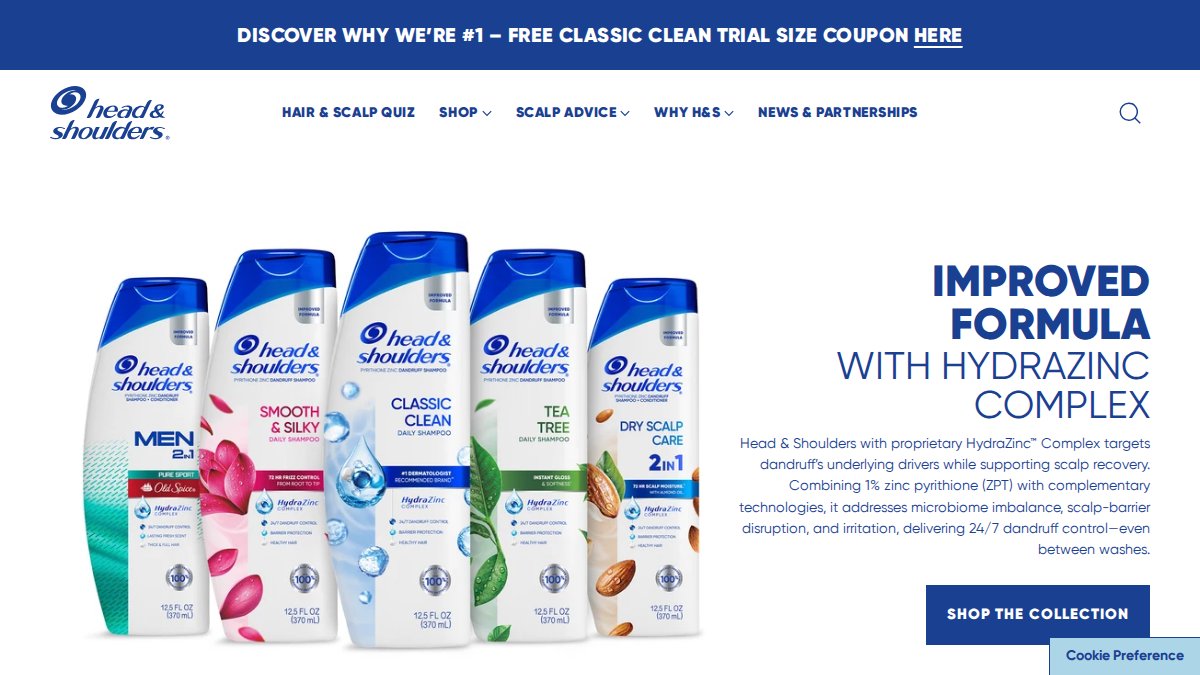
5. Head & Shoulders Supreme Exfoliating Scalp Scrub
InStyle flagged this as a budget-friendly option, and the squeeze-tube packaging makes it easy to use in the shower without scooping. If cost is your main concern, this is the most accessible pick here.
The supplied results don’t show a current price or exfoliation method, so treat the “budget” label as a starting point and verify at the retailer.
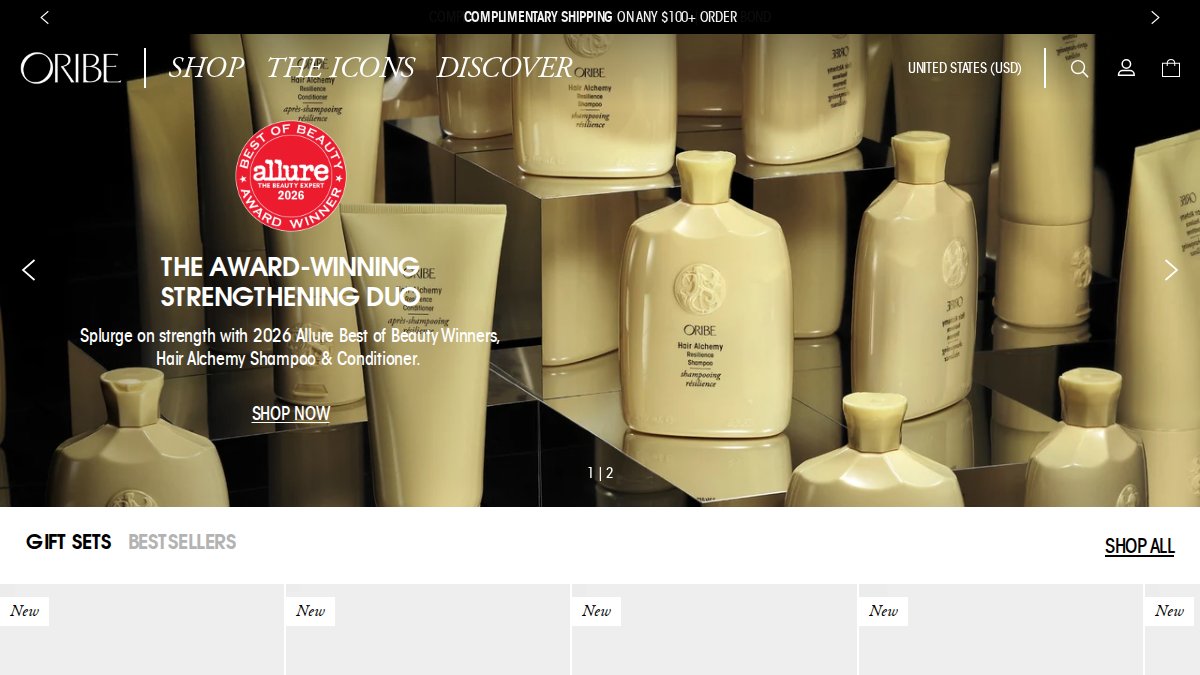
6. Oribe Serene Scalp Exfoliating Scrub
Oribe combines chemical and physical exfoliants in one formula, described in the supplied results as removing dirt and oil. That dual approach suits scalps needing both surface grit and a deeper clean.
The supplied results don’t verify a current price or ingredient list, and they don’t establish any hair-growth benefit. Buy it for the cleansing, not for regrowth claims.
7. STEAMBASE Tea Tree Scalp Water Scaler
If grit feels unpleasant, a liquid exfoliator is the alternative. STEAMBASE’s tea tree formula is described as removing buildup, excess oil, and dead skin cells without any scrub texture.
The supplied results don’t show price, directions, or availability, so check those before you commit. It’s a reasonable option for oily scalps that want clarifying without abrasion.
How to Exfoliate Scalp at Home Without Damaging Hair
Learning how to exfoliate scalp at home safely comes down to technique, not product: lift residue without irritating the skin underneath.
- Start dry or damp, not soaked. Part your hair in sections so you can reach the scalp directly.
- Apply a small amount to your fingertips, not your palms, and dot it along the part lines.
- Massage in slow circles with light pressure for one to two minutes. No scratching with nails.
- Rinse thoroughly with lukewarm water until no grit or residue remains.
- Follow with conditioner on the mid-lengths and ends, keeping it off the scalp.
- Start once weekly and adjust based on how your scalp responds.
The real difference between a good and bad at-home session is water temperature. Hot water strips the scalp and amplifies irritation after exfoliation. Lukewarm water cleans just as well and leaves the scalp far calmer.
Scalp Scrub Benefits for Hair Growth: What to Realistically Expect
Most articles blur two claims: that exfoliation makes hair look better, and that it makes hair grow. Only the first is well supported.
What Exfoliation Can Realistically Improve
- Scalp comfort. Removing flakes and residue reduces itching and tightness for many people, often within a wash or two.
- How hair looks at the root. Buildup adds weight and flattens strands. Clear it away and hair sits higher and reflects more light, which reads as fuller.
- Product performance. A clean scalp gives treatments, serums, and conditioners a better surface, so the products you own perform closer to how they were designed.
What Exfoliation Does Not Do
- It does not create new hair follicles. Follicle count is fixed.
- It does not reverse androgenetic alopecia, which is driven by genetics and hormones.
- It does not correct shedding caused by thyroid conditions, iron deficiency, or other medical factors.
The Mechanism, Plainly
Hair grows from follicles below the skin surface; exfoliation works on the surface. A scrub can clear the opening and surrounding skin, but it cannot change what happens inside the follicle or the hormonal and genetic signals that shorten a growth cycle.
What it can do is remove the things that make hair look worse than it is. That is a real benefit worth paying for, just not the same as regrowth.
A Realistic Timeline
- After one session: scalp feels cleaner and less itchy; hair may look slightly less weighed down.
- After two to four weeks of consistent use: oil production often feels more manageable and flakes are reduced for many people.
- After two to three months: the visible difference is mostly in how hair looks and behaves, not in density.
If you are tracking shedding, count hairs on a consistent day and at a consistent time. Shedding naturally fluctuates with stress, season, and diet, so a single bad wash day is not a trend.
When the Goal Is Actually More Hair
If your real goal is regrowth, exfoliation is a supporting habit, not the plan. The evidence-backed paths involve a diagnosis first, then treatment. A dermatologist can distinguish between shedding caused by a medical condition and shedding caused by styling, tension, or product buildup, and that distinction determines whether a scrub helps at all.
If shedding is diffuse, sudden, or accompanied by scalp pain, do not try to solve it with a stronger scrub. Escalating exfoliation on an undiagnosed scalp problem can make it worse.
Buy a scalp exfoliant for a cleaner, calmer, better-looking scalp. If you want more hair, get a diagnosis. Those are two different purchases.
Physical vs. Chemical Exfoliation: Which Suits Your Scalp
The two categories work differently, and the difference matters more than the marketing suggests. Physical exfoliation relies on a particle or tool to lift residue mechanically. Chemical exfoliation relies on acids or enzymes to loosen the bonds holding dead skin cells and sebum to the surface, so they rinse away without grit.
How Physical Exfoliants Actually Work
Physical options fall into three rough groups:
- Salt and sugar scrubs. Salt crystals are larger and more angular, so they cut through heavy buildup fast but feel aggressive on reactive skin. Sugar crystals are smaller and dissolve as you massage, making them the gentler default for dry or tight scalps.
- Clay and charcoal pastes. These absorb more than they scrub, pulling oil and residue into the paste so it rinses away. Best for oily scalps that dislike grit.
- Silicone and rubber scrub brushes. These give you control over pressure and reach the scalp through thick hair better than fingertips alone. They are the most reusable option and the easiest to overuse.
How Chemical Exfoliants Actually Work
Chemical exfoliants are the ones most people overlook, and they are often the better fit for sensitive or inflamed scalps because there is no friction involved:
- Salicylic acid is oil-soluble, so it travels into the pore and dissolves sebum and dead cells from inside. It is the workhorse for oily, flaky, or buildup-prone scalps and is common in clarifying shampoos and leave-on scalp treatments.
- Glycolic and lactic acid are water-soluble and work at the surface. They are milder and better suited to dry or dull scalps that need surface renewal rather than deep oil removal.
- Enzymes such as papain and bromelain digest dead skin cells without acid. They are the gentlest category and a reasonable starting point for very reactive scalps.
A practical note on contact time: chemical exfoliants need a few minutes on the scalp to do their job. If a label says to massage and rinse immediately, you are getting the cleansing benefit, not the full exfoliating one.
Matching the Method to Your Scalp and Hair
This is where most roundups stop short. The right method depends on two things at once: what your scalp is doing and what your hair texture can tolerate.
| Scalp condition | Better method | Why |
|---|---|---|
| Oily, heavy buildup | Salicylic acid or clay | Dissolves or absorbs oil without adding friction |
| Dry, tight, flaky | Sugar scrub or lactic acid | Gentle lift plus hydration, low irritation risk |
| Sensitive or reactive | Enzyme or mild lactic acid | No grit, minimal barrier disruption |
| Flaky with redness | Soothing low-grit or enzyme, then professional evaluation | Aggressive scrubs can worsen inflammation |
| Fine, thin hair | Liquid or shampoo-based exfoliant | Grit can be hard to rinse out and can weigh down roots |
| Thick, curly, or coily hair | Silicone brush plus chemical exfoliant | Reaches the scalp through density without tugging |
| Color-treated or chemically relaxed hair | Mild chemical exfoliant, spaced out | Less mechanical stress on fragile strands |
If you are unsure, start with a chemical exfoliant and add a physical one only if buildup persists. It is far easier to add friction than to undo irritation.
What to Avoid
- Combining a gritty scrub with a strong acid on the same day
- Using a scrub brush with heavy pressure on a scalp that already feels tender
- Exfoliating right after a chemical service, when the scalp is most vulnerable
The best method is the one your scalp tolerates at the frequency your scalp needs. Match the mechanism to the condition, not to the trend.
Frequently Asked Questions
Does scalp exfoliation actually promote hair growth?
Exfoliation removes dead skin cells, excess sebum, and product buildup that can clog hair follicles, which may support a healthier environment for existing hair. However, no scrub is proven to regrow hair on its own. If you are dealing with noticeable thinning, a scalp exfoliant is a supporting step, not a treatment. A licensed professional can assess whether your shedding needs medical evaluation.
How often should you use a scalp scrub for best results?
Once weekly works for most people with an oily or buildup-prone scalp. Dry or sensitive scalps do better with a twice-monthly schedule, and anyone with active irritation should pause. Start with one application, watch how your scalp responds over the following days, then adjust frequency. Over-scrubbing strips the scalp barrier and can make flakes and irritation worse, not better.
What is the best drugstore scalp exfoliator?
Head & Shoulders Supreme Exfoliating Scalp Scrub is the budget-friendly pick in this roundup, packaged in a squeeze tube for easy application in the shower. It costs less than salon-brand scrubs, though current pricing varies by retailer. If you want a lower-cost option that still delivers physical exfoliation, start there and see how your scalp responds before investing in a higher-priced formula.
How to exfoliate scalp without damaging hair?
Apply the scrub to a wet scalp, not dry hair, and use fingertips rather than nails. Work in small circles for under two minutes, focusing on the scalp rather than dragging product through the lengths. Rinse thoroughly, then follow with conditioner on the ends only. Limit use to once weekly, and skip exfoliation entirely on days when your scalp feels raw, stinging, or freshly colored.
What ingredients should I look for in a scalp exfoliant?
Physical exfoliants like sea salt, sugar, and clay lift dead skin cells and residue through gentle friction. Chemical options such as salicylic acid and exfoliating acids dissolve oil and flakes without scrubbing. For an oily scalp, salicylic acid or sea salt works well. For dry or sensitive scalps, sugar or a soothing liquid formula is gentler. Match the ingredient to your scalp condition rather than chasing the strongest option.