Last Updated: October 30, 2026
Quick Summary
To treat scalp psoriasis at home, soften scales first with warm water or oil for 15-20 minutes, then gently comb with a wide-tooth comb and wash with a medicated shampoo containing coal tar, salicylic acid, or ketoconazole. Never pick or scrub dry plaques, and see a dermatologist if home care stops working.
- Soak scales with warm water or moisturizing oil for 15-20 minutes before removing them.
- Use a wide-tooth comb with light pressure and stop if you feel resistance.
- Coal tar shampoos are typically used 2-3 times weekly to slow skin cell buildup.
- Salicylic acid shampoos can be used twice weekly, left on for 5-10 minutes.
- Book a dermatologist if there is no improvement after several weeks of consistent home care.
Table of Contents
- Scalp Psoriasis Symptoms and Triggers to Know First
- How to Remove Psoriasis Scales From Scalp Without Irritation
- Over-the-Counter Treatment for Scalp Psoriasis: Shampoos and Scale Softeners
- Scalp Psoriasis Relief for Itching and Irritation
- Natural Remedies for Scalp Psoriasis: What the Evidence Says
- Hair Care, Styling, and Protective Routines for Scalp Psoriasis
- When to See a Dermatologist for Scalp Psoriasis
- Booking a Professional Scalp Treatment at Camellia Scalp and Skin Lounge
- Frequently Asked Questions
Scalp Psoriasis Symptoms and Triggers to Know First
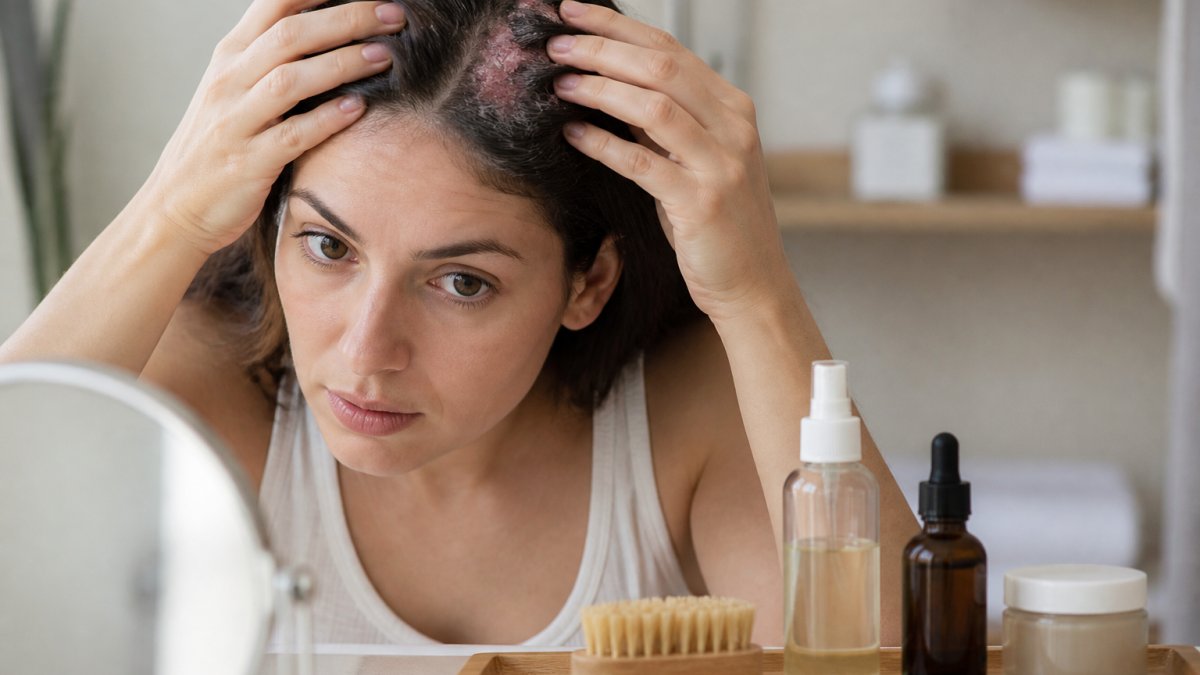
Scalp psoriasis is a chronic inflammatory skin condition that causes raised, scaly patches on the scalp. It can spread past the hairline to the forehead, neck, and ears. This condition is often misunderstood, so let’s start with what you’re actually dealing with.
The most common signs include:
- Silvery or white scales on red patches
- Flaking that looks like heavy dandruff
- Persistent itching, sometimes intense
- Burning or soreness on the scalp
- Bleeding when scales are picked or scratched
- Temporary hair thinning around affected areas
These symptoms can come and go. Scalp psoriasis often calms down for weeks, then flares without warning.
Common Scalp Psoriasis Triggers
Knowing your triggers is half the battle.
Watch for these triggers:
- Stress, one of the most frequently reported triggers
- Cold, dry weather that strips moisture from the skin
- Skin injuries such as scratches, cuts, or harsh brushing
- Certain medications, including some blood pressure drugs
- Infections, especially strep throat
- Smoking and heavy alcohol use
- Tight hats or harsh hair products that irritate the scalp
If you can connect a flare to a trigger, you gain real control. Keep a simple log of dates, symptoms, and what changed in your routine.
How to Remove Psoriasis Scales From Scalp Without Irritation
The safest way to remove scales is to soften them first, then lift them gently. Never pick, scrape, or scrub dry plaques. Doing so can tear the skin, cause bleeding, and trigger new patches.
Follow this sequence:
- Soak first. Apply warm, not hot, water or a moisturizing oil to the scalp for 15-20 minutes.
- Use a shower cap. A warm, damp towel wrapped in a shower cap holds in moisture and softens plaques.
- Apply a scale softener. Look for products with salicylic acid or urea, which help break down thick scale.
- Comb gently. Use a wide-tooth comb and light pressure. Stop if you feel resistance.
- Wash with a gentle shampoo. Rinse with lukewarm water.
- Moisturize after. A fragrance-free scalp moisturizer helps prevent new flaking.
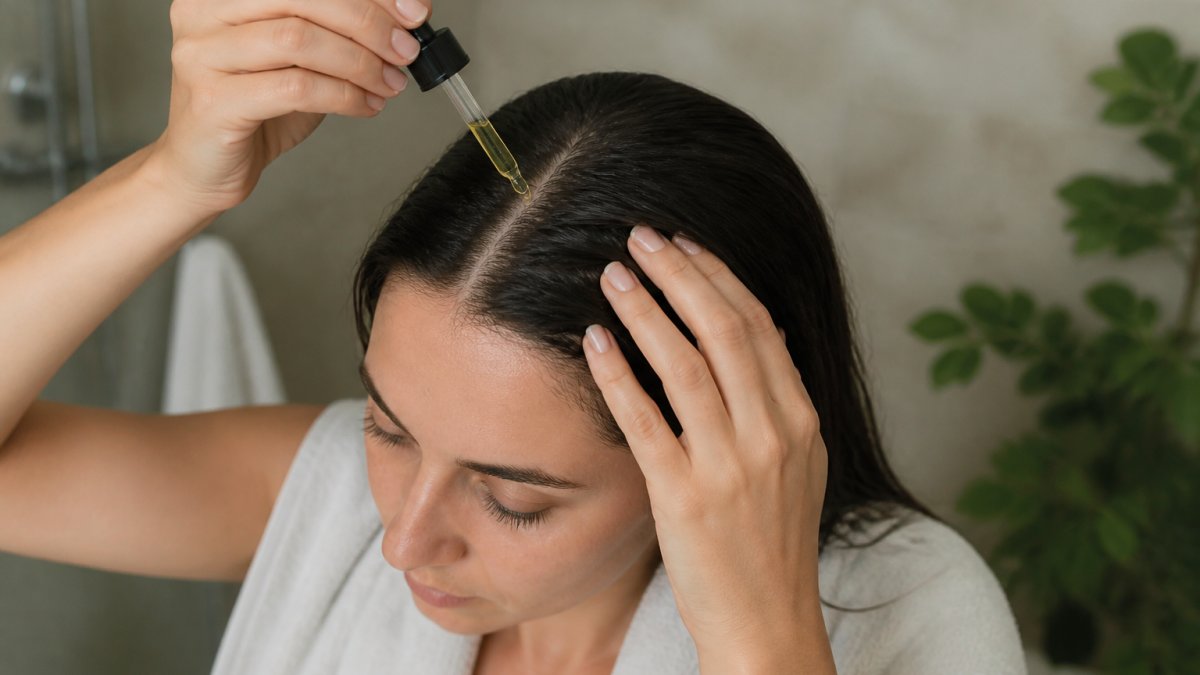
Watch out: picking at a plaque can cause bleeding and may lead to a skin infection. If a patch bleeds repeatedly, stop home treatment and see a doctor.
Over-the-Counter Treatment for Scalp Psoriasis: Shampoos and Scale Softeners
Over-the-counter treatment for scalp psoriasis centers on medicated shampoos and scale softeners. These are not a cure for the condition, but they may reduce flaking and irritation between flare-ups. Check with a qualified professional about your options. Matching the active ingredient to your main problem and using it according to label directions is important.
Here is how the main options compare:
| Product Type | Key Ingredient | How It Works | Best For | How Often to Use |
|---|---|---|---|---|
| Medicated shampoo | Coal tar | Slows rapid skin cell turnover and reduces scaling | Slowing skin cell buildup | 2-3 times weekly |
| Medicated shampoo | Salicylic acid | Breaks down the bonds that hold scale together | Loosening thick scale | 2 times weekly |
| Medicated shampoo | Ketoconazole | Reduces scalp fungus and associated flaking | Reducing scalp fungus and flaking | Per label directions, often twice weekly |
| Scale softener | Urea | Draws water into the skin and softens plaques | Softening stubborn plaques | Before washing |
| Leave-in oil | Mineral or coconut oil | Occludes the scalp and holds in moisture | Moisturizing dry patches | As needed |
A few practical rules we share with clients:
- Rotate shampoos. Discuss with a dermatologist whether alternating medicated products suits your scalp.
- Follow label directions. Check the product label for the recommended contact time before rinsing.
- Patch test first. Trying a small area before full use can help identify irritation.
- Check the label. Follow directions closely and stop if irritation worsens.
- Watch for over-drying. Some medicated products can dry the scalp with frequent use. If the scalp feels tight or stings, consider reducing frequency and check with a professional.
How to Build a Simple Rotation
A workable weekly rhythm for mild to moderate flaking looks like this:
- Two nights a week: use a salicylic acid shampoo to soften scale, leaving it on for 5-10 minutes.
- Two other nights: use a coal tar or ketoconazole shampoo, again with full contact time.
- Remaining nights: wash with a gentle, fragrance-free shampoo or simply rinse and moisturize.
If redness or stinging increases, stop and check with a dermatologist.
The American Academy of Dermatology guidance on scalp psoriasis is a solid reference for matching ingredients to your symptoms.
Scalp Psoriasis Relief for Itching and Irritation
Managing itch often involves avoiding scratching, which can worsen irritation.
Try these steps when the itch spikes:
- Apply a cool compress to the scalp.
- Moisturize with a fragrance-free cream or oil.
- Keep nails short to limit damage from unconscious scratching.
- Distract yourself with a walk, music, or a task that occupies your hands.
Stress can be associated with itching. General habits that some people find helpful include:
- Deep breathing for a few minutes daily
- Gentle yoga or stretching
- Consistent sleep schedules
- Regular exercise
None of these replace professional treatment.
Natural Remedies for Scalp Psoriasis: What the Evidence Says
Natural remedies for scalp psoriasis are not cures, and the supporting evidence varies. Discuss any remedy with your doctor before use, and avoid applying irritants to broken skin.
Here’s a fair look at the popular options, graded by evidence and risk:
- Coconut oil. Some people use it as a moisturizer for dry scale. Check with a professional before use.
- Aloe vera. Some people use it for soothing irritation. Check product ingredients before use.
- Tea tree oil. Essential oils can cause irritation or allergic reactions, so dilute them and patch test before use.
- Jojoba oil. Some people use it as a light moisturizer.
- Oatmeal. Some people use oatmeal baths for itchy skin.
- Turmeric. Check with a professional before using turmeric products on the scalp or as a supplement.
- Baking soda. Can irritate or dry the scalp, so use caution.
Safety Rules for Natural Remedies
Natural does not mean risk-free. Essential oils can trigger allergic reactions, and some remedies interact with medicated treatments. Follow these rules:
- Never apply irritants to broken skin. If a plaque is bleeding, cracked, or raw, skip essential oils, baking soda, and anything with alcohol or fragrance. Broken skin absorbs more and reacts more.
- Dilute essential oils according to product or professional guidance.
- Test one remedy at a time. Apply to a small patch for several days before wider use, so you know what helps and what irritates.
- Stop if itching or redness increases and check with a professional.
- Tell your doctor what you use. Some topical remedies can interfere with prescription treatments or make the scalp more sensitive.
For broader context on skin conditions and self-care, the National Psoriasis Foundation resources offers reliable, non-commercial information.
Hair Care, Styling, and Protective Routines for Scalp Psoriasis
Hair care choices can affect scalp comfort. The right routine makes daily life more comfortable.
Adopt these habits:
- Wash gently with lukewarm water. Hot water strips oils and worsens dryness.
- Choose fragrance-free products. Perfumes and dyes are common irritants.
- Skip harsh treatments like tight braids, chemical relaxers, and hot tools near the scalp.
- Let hair air-dry when possible.
- Avoid tight hats and headbands that rub against plaques.
- Brush softly with a wide-tooth comb.
Styling deserves a mention too. If you color or relax your hair, talk to your stylist about your condition.
Avoid styles that pull on the scalp.
When to See a Dermatologist for Scalp Psoriasis
See a dermatologist when home care stops working or symptoms interfere with daily life. Mild to moderate symptoms often respond to over-the-counter options, but some cases need prescription treatment.
Book an appointment if you notice:
- No improvement after several weeks of consistent home care
- Severe itching that disrupts sleep
- Bleeding, cracking, or signs of infection
- Hair loss that concerns you
- Patches spreading beyond the scalp
- Joint pain alongside skin symptoms
Joint symptoms alongside skin symptoms are worth raising with a doctor.
A dermatologist can help confirm the diagnosis, since other scalp conditions can look similar.
The Centers for Disease Control and Prevention overview of psoriasis is a useful starting point for understanding the condition before your visit.
Booking a Professional Scalp Treatment at Camellia Scalp and Skin Lounge
Professional scalp care can complement a home routine but does not replace medical treatment. At Camellia Scalp and Skin Lounge, our head spa rituals focus on deep cleansing, hydration, and relaxation.
Here’s how our approach fits into a scalp care plan:
- Scalp analysis to understand your current scalp condition
- Deep cleansing to reduce buildup and impurities
- Gentle exfoliation for improved comfort
- Relaxing scalp massage to ease tension
- Customized care based on your individual needs
Our licensed professionals customize care based on individual needs.
If you’re dealing with persistent flaking, itching, or buildup, you may wish to consider a professional scalp treatment. Pricing is available on our website, and same-day availability options are offered.
Frequently Asked Questions
What triggers scalp psoriasis flare-ups?
Common scalp psoriasis triggers include stress, skin injuries such as scratching or harsh brushing, cold and dry weather, certain medications, alcohol, and smoking. Infections and sudden changes in routine can also set off flare-ups. Tracking your own patterns in a simple journal helps you spot what sets off your symptoms. Because triggers vary from person to person, a dermatologist can help you identify yours and build a plan around them.
Will scalp psoriasis go away by itself?
Scalp psoriasis is a chronic condition, so it rarely clears permanently on its own. Symptoms can fade and then return, sometimes for months at a time. A consistent home routine with gentle washing, scale softening, and medicated shampoo can keep mild to moderate symptoms manageable between flare-ups. If plaques persist, spread, or cause significant itching, a dermatologist can recommend stronger treatment options tailored to your skin.
How can you loosen psoriasis scales on your scalp safely?
Soften scales before removing them. Apply a moisturizing oil to the scalp and check with a dermatologist about how long to leave it on. Then wash gently with a soft shampoo and use your fingertips, not nails, to lift loosened flakes. Never pick or scrape plaques, since that can cause bleeding and trigger new lesions.
Which over-the-counter treatments can help scalp psoriasis?
Over-the-counter options for scalp psoriasis include medicated shampoos with salicylic acid, coal tar, ketoconazole, or selenium sulfide, plus scale softeners and moisturizing oils. Follow label directions for medicated shampoos and check with a professional about how often to use them. If symptoms do not improve after several weeks, see a dermatologist for prescription options.
Persistent scalp issues deserve more than another drugstore shampoo. If flaking and irritation keep returning, a professional scalp treatment can help you understand what’s happening and build a routine that works. Camellia Scalp and Skin Lounge offers scalp analysis, deep cleansing, and customized head spa rituals in a calm, refined setting, with transparent pricing and same-day availability. Get started with Camellia Scalp and Skin Lounge and give your scalp the care it has been asking for.
