Last Updated: October 26, 2026
Quick Summary
Add scalp care to your hair routine by cleansing with a gentle sulfate-free shampoo at a frequency that matches your scalp type, then layering in weekly exfoliation, a scalp serum applied to towel-dried skin, and five-minute fingertip massages. Patch test new products, add one at a time, and give the routine four to six weeks before judging results.
- Wash oily scalps daily or every other day; dry or sensitive scalps two to three times a week.
- Massage with fingertips for 60 seconds before rinsing, then rinse fully before a second round.
- Exfoliate once a week with a soft silicone brush or fingertips for two to three minutes.
- Apply a few drops of serum directly to the scalp two to three times a week, not the hair.
- Give a new routine four to six weeks before judging whether it is working.
Table of Contents
- Why Scalp Care Belongs in Your Hair Routine
- Step 1: Build a Hair Washing Routine for Scalp Health
- Step 2: How to Remove Scalp Buildup Without Irritation
- Step 3: Add a Scalp Exfoliation Routine Once a Week
- Step 4: Scalp Serum How to Use It for Best Results
- Step 5: Scalp Massage and Circulation for Healthier Hair
- How to Use Scalp Products Safely and Avoid Irritation
- How to Tell If Your Scalp Care Routine Is Working
- Frequently Asked Questions
Why Scalp Care Belongs in Your Hair Routine
Healthy hair starts at the root. At Camellia Scalp and Skin Lounge, we see the difference this makes every day: clients who treat the scalp as skin, not just a base for hair, often experience improved scalp comfort and hair vitality.
Most people spend years on hair care and almost no time on scalp care. That is backwards. The scalp is skin. It collects oil, sweat, dead cells, and styling product residue.
Below, we walk through five steps you can add to your hair care routine this week. The steps are simple, and you can layer them into your normal wash day without a major overhaul.
Step 1: Build a Hair Washing Routine for Scalp Health
A good hair washing routine for scalp health starts with the right shampoo and the right frequency. Get those two things right and most scalp problems improve on their own. But frequency alone is not a routine. The products you layer in, and how often you use them, should change with your scalp type. Below is how to adjust the same five steps for the scalp you actually have.
Choosing a Gentle, Sulfate-Free Shampoo
Reach for a mild shampoo first. Harsh detergents strip natural oils and leave the scalp tight and dry, which triggers more oil production later. A sulfate-free shampoo cleans without that rebound effect.
Look for labels that say gentle cleansing and sulfate-free. If your scalp is oily, a clarifying shampoo once a week helps. Do not use it daily.
How Often to Wash Based on Scalp Type
Washing frequency should match your scalp type, not a fixed rule.
- Oily scalp: wash every day or every other day with a mild shampoo
- Dry or sensitive scalp: wash two to three times a week
- Normal scalp: every two to three days works well
- Textured or curly hair: once or twice a week, with a co-wash between washes
Overwashing dries out a sensitive scalp. Underwashing lets oiliness and product buildup collect. Watch how your scalp feels two days after a wash and adjust from there.
Tailor the Routine to Your Scalp Type
The wash frequency above is the starting point. The rest of the routine should shift with what your scalp is doing.
Oily scalp. Wash more often, but keep the shampoo mild so you do not trigger rebound oil.
Dry scalp. Wash two to three times a week with a moisturizing, sulfate-free shampoo. Add a pre-wash oil 10 to 20 minutes before washing to soften the surface, and use a hydrating serum or leave-on treatment after. Exfoliate every other week rather than weekly, since dry skin is more easily irritated.
Sensitive scalp. Keep the product list short. Patch test every new product, avoid fragrance-heavy formulas, and skip physical scrubs if the scalp is reactive.
Flaky scalp. Flaking can come from dryness, product residue, or a condition such as seborrheic dermatitis.
A common pattern is that people buy one product for one symptom and expect it to fix everything.
Step 2: How to Remove Scalp Buildup Without Irritation
Learning how to remove scalp buildup comes down to one idea: soften it before you scrub it. Buildup is a mix of natural oils, dead skin, and product residue. Dry scrubbing irritates the scalp and can cause flaking.
A common mistake is reaching for the strongest shampoo on the shelf. That strips the surface but leaves the scalp irritated and more prone to flaking.
Try this sequence on wash day:
- Wet hair and scalp with warm, not hot, water
- Apply a mild shampoo and massage with fingertips for 60 seconds
- Rinse fully before adding a second round
- Use a clarifying shampoo once a week if you use styling products
- Skip heavy conditioners at the root
A scalp serum or pre-wash treatment applied 10 minutes before washing softens buildup so it lifts away easily. If you want a deeper clean, a professional scalp treatment can remove buildup a home routine cannot reach.
Step 3: Add a Scalp Exfoliation Routine Once a Week
A scalp exfoliation routine removes dead skin cells so products absorb better and follicles stay clear. Once a week is enough for most people. Twice a week is fine for oily scalps.
(Source: [a 2026 report on the beauty industry’s growth](https://www.statista.com/statistics/267779/north-american-hair-care-market-size/))
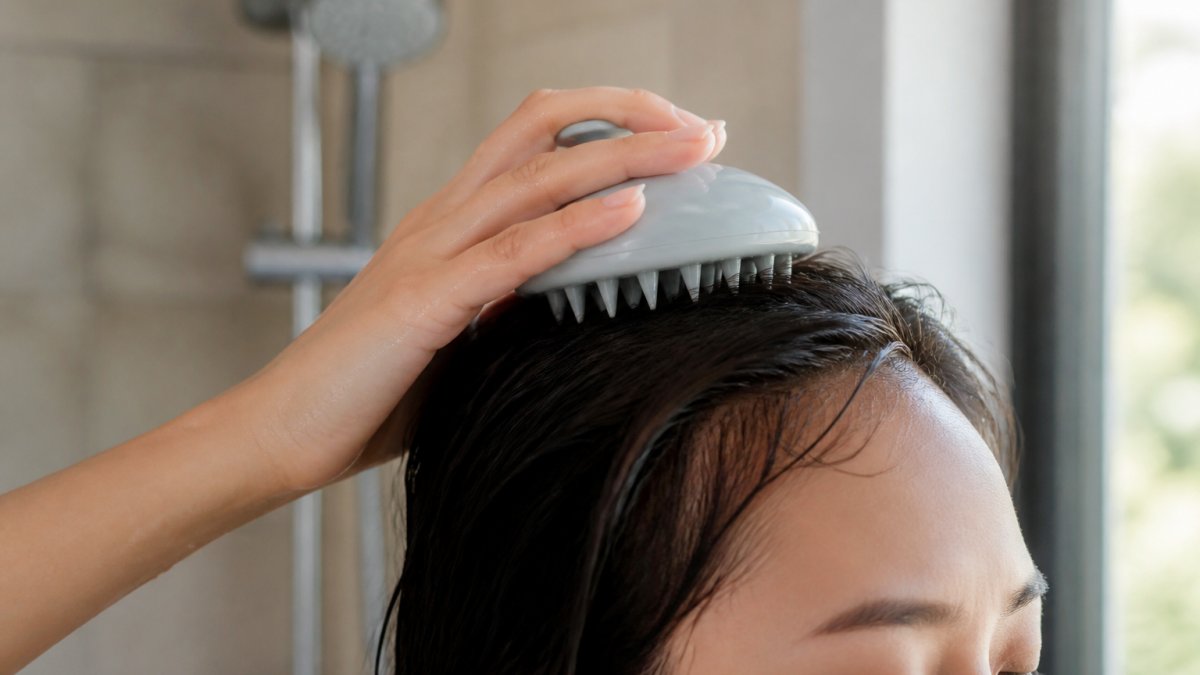
Use a soft silicone brush or your fingertips. Work in small circles across the scalp for two to three minutes before you rinse. Do not scrub hard. The goal is gentle lifting, not friction.
For a physical exfoliant, choose a product with fine, dissolving particles. Coarse salt or sugar scrubs can scratch a sensitive scalp.
Step 4: Scalp Serum How to Use It for Best Results
Scalp serum how to use it matters more than which serum you buy. A serum delivers targeted care to the scalp: hydration, nourishment, or support for a dry, flaky surface. Applied correctly, it works. Applied to soaking wet hair, most of it slides off.
Here is how we recommend applying it:
- Part clean, towel-dried hair into sections
- Apply a few drops directly to the scalp, not the hair
- Massage in with fingertips for one minute
- Leave it on as directed on the label
- Style as usual, or rinse if the product calls for it
Use a scalp serum two to three times a week, or as the label directs. Keep it off the mid-lengths and ends unless the label says otherwise. Product residue on the hair shaft is one of the most common causes of dull, weighed-down hair.
Step 5: Scalp Massage and Circulation for Healthier Hair
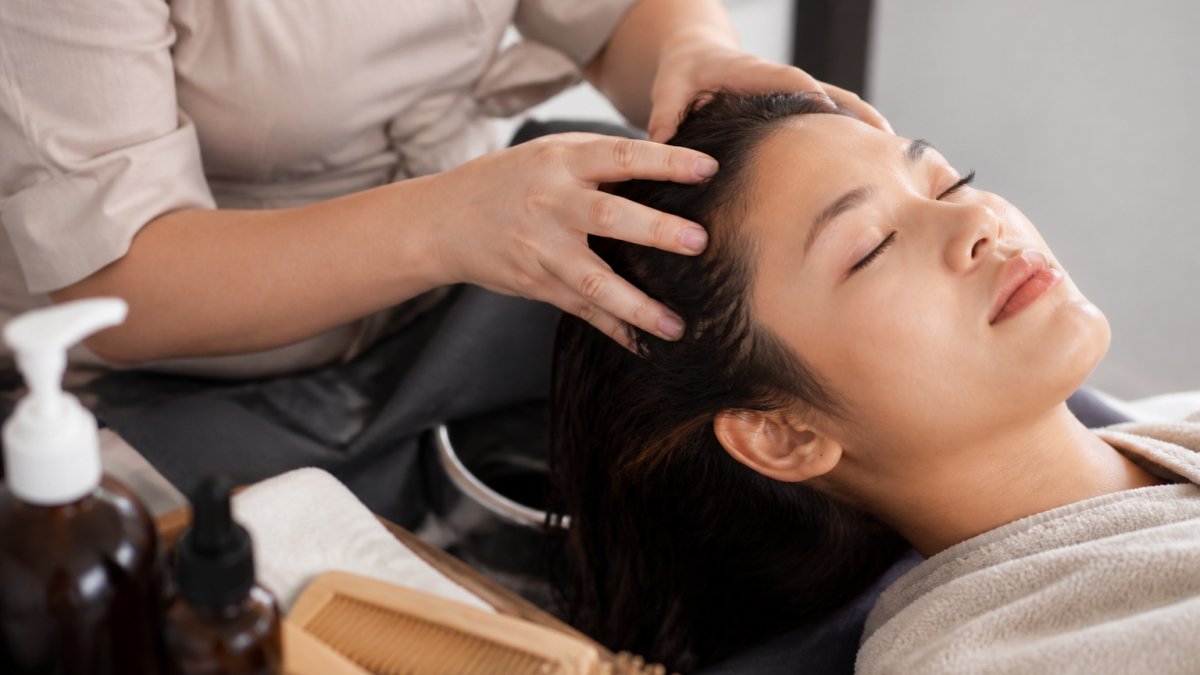
Scalp massage supports circulation, which brings blood flow and nutrients to the follicles. It also feels good, and that matters. Stress shows up on the scalp as tightness and flaking for many people.
Fingertip massage is enough. Press the pads of your fingers into the scalp and move in small circles for five minutes. Do it before washing, or on dry hair at the end of the day.
Massage duration matters less than routine consistency. Five minutes most days beats a 20-minute session once a month. Pair it with your wash day so it becomes a habit, not a task.
How to Use Scalp Products Safely and Avoid Irritation
Safety comes down to three rules: patch test, follow the label, and stop if the scalp reacts. Scalp skin is thin and absorbs products quickly. A product that works for one person can cause irritation for another.
Watch out: mixing several active products at once is the fastest way to cause scalp irritation.
A few more guidelines:
- Patch test new products on a small area first
- Keep exfoliants away from broken or irritated skin
- Rinse thoroughly, since product residue causes buildup
- Check with a licensed professional if you have persistent flaking, sores, or hair loss
Hair growth claims deserve a realistic view. No shampoo or serum regrows hair on its own. Scalp care supports a healthy environment, and that is the honest promise.
How to Tell If Your Scalp Care Routine Is Working
Give a new routine four to six weeks before you judge it. Scalp skin turns over slowly, so early changes are subtle. Track how your scalp feels and looks, not just how your hair looks.
Signs the routine is working:
- Less flaking and itching after washes
- The scalp feels comfortable, not tight, two days after washing
- Less product buildup and residue on the hair
- Better hair shine and luster
- Fewer dry patches at the hairline
If flaking, redness, or itching gets worse, stop the new product and see a professional. Persistent scalp issues can have causes a home routine will not fix. A scalp analysis at a studio like ours can show you what is actually happening on your scalp before you buy another product.
A Practical Weekly Schedule for Layering Scalp Care
Most people do not need more products. They need a clear plan for when to use the ones they have. Here is a weekly structure you can adapt to your wash frequency.
| Day | Focus | What to do | Time |
|---|---|---|---|
| Wash day 1 | Cleanse and treat | Mild shampoo, fingertip massage, serum on towel-dried scalp | 10 minutes |
| Midweek | Maintain | Dry scalp massage, no washing if your scalp allows | 5 minutes |
| Wash day 2 | Clarify and exfoliate | Clarifying shampoo, gentle exfoliation, hydrating serum | 15 minutes |
| Most days | Circulation | Five-minute fingertip massage, before washing or at night | 5 minutes |
| As needed | Pre-wash treatment | Oil or serum 10 to 20 minutes before washing | 10 minutes |
Adjust the number of wash days to your scalp type. An oily scalp may wash daily and clarify once a week; a dry or sensitive scalp may wash twice a week and exfoliate every other week. The point is to separate cleansing, clarifying, exfoliating, and treating so you are not doing everything at once.
How to Review Whether It Is Working
Pick two or three observable signs and check them at the start and again at four to six weeks: flaking after washes, tightness two days after washing, residue on the hair, and comfort at the hairline. If those signs are improving, the routine is working even if hair growth has not changed. If they are not, change one variable at a time, such as wash frequency or the serum, rather than replacing everything at once.
Hair growth claims deserve a realistic view. No shampoo or serum regrows hair on its own. Scalp care supports a healthy environment, and that is the honest promise. For thinning hair, a consultation with a qualified professional is the right first step.
Frequently Asked Questions
How do you add scalp care to your hair routine?
Start by adding one scalp-focused step to your current wash day, such as a gentle pre-wash massage or a clarifying shampoo once a week. Over time, build a full routine that includes cleansing, exfoliation, serum application, and massage. Consistency matters more than using many products at once. A simple schedule like washing every 2-3 days, exfoliating weekly, and applying serum 2-3 times a week can make a noticeable difference in scalp health and hair appearance.
How often should you exfoliate your scalp?
Most people benefit from exfoliating once a week. If you have an oily scalp or use a lot of styling products, you might exfoliate twice a week, while a sensitive or dry scalp may only need it every 10-14 days. Over-exfoliating can cause irritation and dryness. Watch for signs like redness or increased flaking, and adjust frequency accordingly. A professional scalp analysis can help determine the right schedule for your scalp type.
Should you apply scalp serum before or after washing your hair?
It depends on the serum. Most leave-in scalp serums are applied to a clean, towel-dried scalp after washing, then massaged in and left on. Some pre-wash treatments are applied 15-30 minutes before shampooing to help loosen buildup. Always follow the product instructions. If you use a serum after washing, apply it before styling products and avoid using too much, as excess can make hair look greasy.
Can scalp care help hair look healthier?
Yes. A clean, balanced scalp supports healthier-looking hair by reducing buildup, flaking, and irritation that can weigh hair down or cause discomfort. Regular cleansing, exfoliation, and hydration can improve shine and manageability. While scalp care alone won’t reverse hair loss, it creates a better environment for hair to grow. For concerns about thinning or loss, consult a professional for a personalized assessment and treatment plan.
