Table of Contents
- How Often Should You Get a Scalp Treatment: Finding Your Ideal Frequency
- Factors That Determine Your Treatment Schedule
- How Often Should You Massage Your Scalp at Home
- Scalp Treatment Benefits and What to Expect
- How Long Does a Scalp Treatment Take
- Scalp Treatment for Dry Scalp: Frequency and Approach
- Signs Your Scalp Needs Professional Treatment
- Creating Your Personalized Scalp Care Routine
- Frequently Asked Questions
Last Updated: October 12, 2026
How Often Should You Get a Scalp Treatment: Finding Your Ideal Frequency
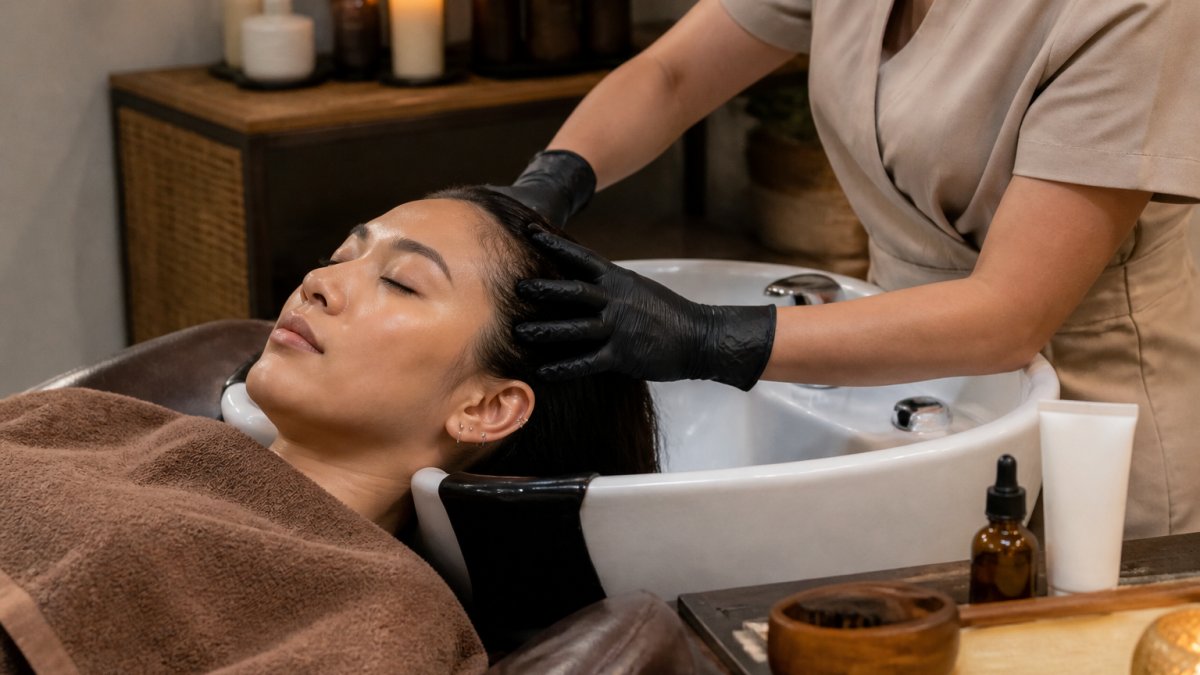
How often should you get a scalp treatment depends on your scalp condition, hair type, and lifestyle. Most people benefit from professional scalp treatments every 2-4 weeks, though some may need them more or less frequently. At Camellia Scalp and Skin Lounge, we customize treatment schedules based on your individual scalp health needs.
Your scalp is skin. Like the rest of your skin, it needs regular care and attention. Buildup from products, pollution, and natural oils accumulates over time. Without proper cleansing, your scalp becomes uncomfortable, flaky, or itchy. Professional scalp treatments remove this buildup and restore balance.
The right frequency for you depends on several factors. Understanding these factors helps you create a routine that actually works.
Most people notice visible improvements within 3-4 treatments. Consistency matters more than intensity, regular moderate treatments outperform occasional deep ones.
Factors That Determine Your Treatment Schedule
Your treatment frequency depends on your scalp condition, hair characteristics, and daily habits. Let’s break down what matters most.
Scalp condition is the primary driver. If you have a dry scalp with flaking or tightness, you may need treatments every 2 weeks initially, then every 3-4 weeks for maintenance.
Hair texture and density affect how quickly buildup returns. Fine, thin hair shows product buildup faster because there’s less volume to distribute oils. Thick, coarse hair can sometimes go longer between treatments.
Styling practices matter significantly. If you use heat styling tools regularly, dry shampoo frequently, or apply heavy styling products, your scalp accumulates debris faster. These habits may push you toward more frequent treatments.
Stress and activity level influence scalp health. High stress can trigger inflammation and excess oil production. Heavy exercise increases sweat and salt buildup on the scalp. Both situations may warrant more frequent treatments than a calm, sedentary lifestyle.
Environmental factors play a role too. Dry climates accelerate moisture loss from the scalp. Humid environments can trap bacteria and fungi. Pollution in urban areas deposits particles on the scalp. These external factors may increase your treatment frequency.
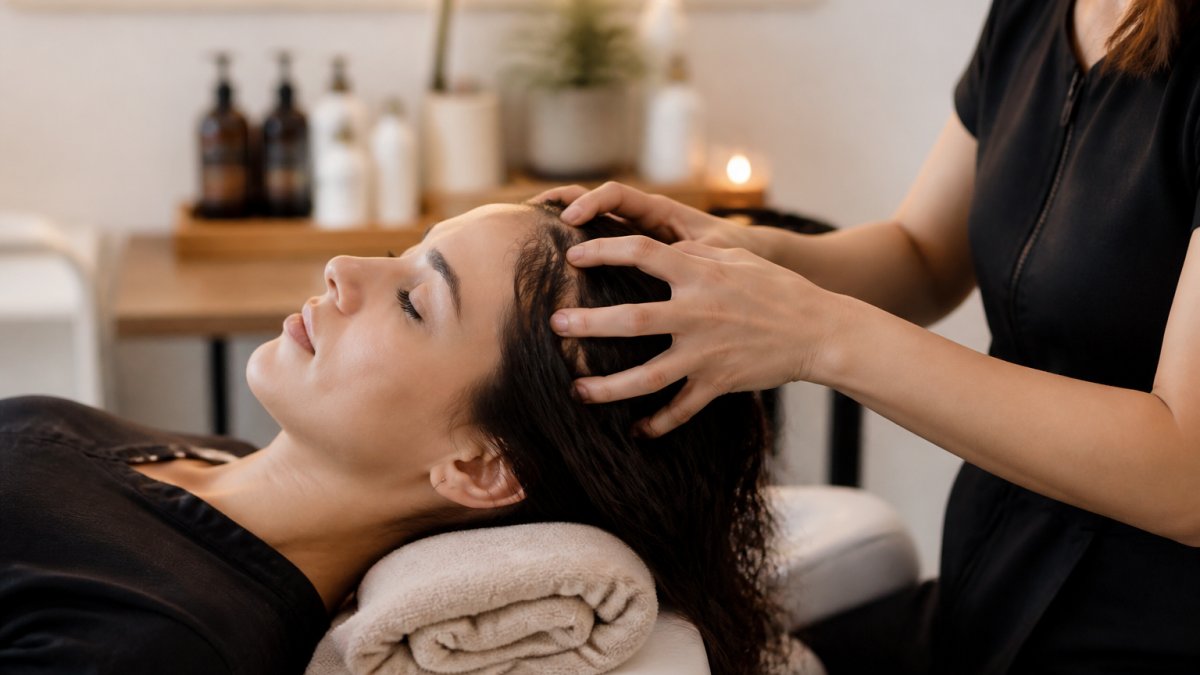
Your ideal treatment frequency isn’t one-size-fits-all, it’s determined by combining your scalp condition, hair type, styling habits, stress level, and environment.
How Often Should You Massage Your Scalp at Home
How often should you massage your scalp at home depends on your goals and scalp sensitivity. Daily gentle massage is safe for most people and supports scalp health between professional treatments. Some people prefer 3-5 times per week, while others do well with weekly sessions.
Daily scalp massage takes just 5-10 minutes and requires no special tools. Use your fingertips to apply gentle circular pressure across your entire scalp. Start at your hairline and work backward in overlapping sections. Move slowly and deliberately, this isn’t about speed.
The pressure matters. You should feel a gentle stretch, not pain. Light to moderate pressure works best for daily massage. Heavy pressure can irritate the scalp and cause inflammation, especially if done daily.
Frequency guidelines for at-home massage:
- Daily: gentle fingertip massage, 5-10 minutes
- 3-5 times weekly: moderate pressure massage, 10-15 minutes
- Weekly: deeper pressure massage with a scalp massager tool, 10-20 minutes
Most people find a middle ground works best. Three to four times per week of 10-minute sessions provides good results without requiring daily commitment.
Stop if you experience pain, redness, or increased itching after massage. These signs indicate you’re applying too much pressure or your scalp is too sensitive. Reduce frequency and pressure immediately.
Scalp Treatment Benefits and What to Expect
Professional scalp treatments offer benefits beyond simple cleansing. Understanding what these treatments actually do helps you set realistic expectations and choose the right frequency.
Deep cleansing removes buildup that regular shampooing misses. Professional treatments use specialized techniques and products to dissolve product residue, dead skin cells, and environmental debris. Your scalp feels lighter and less congested immediately after treatment.
Improved scalp health reduces common problems. Many people experience less itching, flaking, and tightness after consistent treatments. Your scalp becomes more balanced, neither excessively oily nor dry. This foundation supports healthier hair growth from the root.
Enhanced circulation supports follicle function. Scalp massage techniques increase blood flow to hair follicles, delivering oxygen and nutrients. While this doesn’t guarantee hair regrowth, it creates better conditions for your hair to thrive.
Relaxation and stress relief are real benefits. The scalp contains many nerve endings. Gentle massage activates these nerves, triggering a relaxation response. Many clients report improved sleep and reduced tension after treatments.
What to expect after your first treatment: Your scalp feels clean and refreshed. You may notice reduced itching or tightness within hours.
Long-term results require consistency. One treatment provides temporary relief. Three to four treatments spaced 2-3 weeks apart show noticeable, lasting improvements. After 6-8 treatments, most people achieve stable scalp health and can maintain results with monthly visits.
How Long Does a Scalp Treatment Take
Professional scalp treatments typically take 30-60 minutes depending on the specific service and your scalp needs. Most standard scalp treatments at Camellia Scalp and Skin Lounge run 45-60 minutes, including consultation and customization.
Timeline breakdown for a typical treatment:
- Scalp analysis and consultation: 5-10 minutes
- Cleansing and exfoliation: 15-20 minutes
- Massage and treatment application: 20-30 minutes
- Final rinse and styling: 5-10 minutes
Specialized treatments like the HydraFacial Keravive may take longer because they combine multiple techniques. Your first appointment usually takes 10-15 minutes longer due to initial assessment and health history questions.
At-home massage takes 5-20 minutes depending on your preferred depth and coverage. A quick daily maintenance massage takes 5-10 minutes. A more thorough weekly session takes 15-20 minutes.
People with limited time do well with 30-minute express scalp treatments monthly, supplemented by daily 5-minute home massage. This combination maintains scalp health without requiring lengthy appointments.
Scalp Treatment for Dry Scalp: Frequency and Approach
Dry scalp requires a different treatment strategy than oily or normal scalp. The goal is restoring moisture and protecting the scalp barrier.
Frequency for dry scalp: Start with treatments every 2 weeks for 6-8 weeks, then move to maintenance every 3-4 weeks. This initial intensity helps restore balance faster. Once your scalp stabilizes, you can extend intervals.
Treatment approach differs from standard scalp care. Instead of harsh exfoliation, dry scalp needs gentle cleansing with hydrating products. The focus shifts from removing excess oil to adding moisture and soothing irritation.
Home care between treatments matters more for dry scalp. Use a hydrating scalp serum or oil 2-3 times weekly. Avoid hot water when washing, use lukewarm water instead. Limit heat styling and harsh brushing. These practices protect your scalp barrier between professional treatments.
What causes dry scalp: Environmental factors, harsh shampoos, heat styling, and underlying skin conditions all contribute. Professional scalp analysis identifies the root cause, allowing targeted treatment.
Signs your dry scalp is improving: Less itching and tightness, reduced flaking, softer scalp feel, and improved hair texture. These changes typically appear within 3-4 treatments.
Signs Your Scalp Needs Professional Treatment
Certain scalp conditions benefit significantly from professional care. Recognizing these signs helps you know when to book an appointment.
Persistent flaking despite regular shampooing indicates buildup or a scalp condition requiring professional attention. Home care alone often can’t resolve this.
Chronic itching and irritation suggest inflammation or sensitivity. Professional scalp analysis identifies the cause. Dermatitis, fungal issues, or product sensitivity all respond better to targeted professional treatment.
Visible product buildup or greasy scalp despite frequent washing means your current routine isn’t working. Professional deep cleansing resets your scalp, allowing you to start fresh.
Hair thinning or excessive shedding may benefit from improved scalp health. Better circulation and cleansing create optimal conditions for hair. Professional treatments combined with scalp massage support your hair’s health.
Scalp tension and headaches often improve with professional massage. If you experience regular tension headaches, scalp treatments may provide relief.
Unexplained scalp pain or severe inflammation requires professional evaluation. While most scalp issues resolve with proper treatment, some need medical assessment. A professional scalp specialist can determine whether dermatology consultation is needed.
If you have open sores, active infection, or severe inflammation, consult a dermatologist before booking a scalp treatment. Some conditions need medical treatment first.
Creating Your Personalized Scalp Care Routine
Your ideal scalp treatment routine combines professional treatments with consistent home care. This two-part approach delivers the best results.
Step 1: Assess your starting point. Schedule a professional scalp analysis. This identifies your scalp type, condition, and specific needs. Many people don’t know their true scalp condition until they receive professional evaluation.
Step 2: Establish professional treatment frequency. Based on your assessment, determine your starting frequency. Most people begin with treatments every 2-3 weeks, then adjust based on results. Your scalp specialist recommends the right schedule for your needs.
Step 3: Create a home care routine. Between professional treatments, maintain your scalp with:
- Gentle massage 3-4 times weekly
- Hydrating scalp serum or oil 2-3 times weekly
- Sulfate-free shampoo suited to your scalp type
- Lukewarm water for washing
- Minimal heat styling
Step 4: Monitor and adjust. Track how your scalp feels week to week. After 4-6 treatments, you’ll see clear patterns. If your scalp is thriving, you may extend treatment intervals. If you’re still struggling, increase frequency temporarily.
Step 5: Plan for maintenance. Once your scalp reaches optimal health, most people maintain results with monthly professional treatments plus consistent home care. Some need every 3-4 weeks. Others do well with every 6 weeks.
Your routine should feel sustainable. If you can’t commit to the frequency, adjust downward and focus on quality home care. Consistency beats intensity.
Finding the right scalp treatment frequency takes some experimentation, but the payoff is worth it. According to dermatological research on scalp health, consistent professional scalp care combined with proper home maintenance produces the most sustainable improvements.
| Treatment Frequency | Best For | Home Care Between Visits |
|---|---|---|
| Every 2 weeks | Dry, flaking, or severely congested scalp | Daily gentle massage, 2-3x weekly hydrating serum |
| Every 3 weeks | Oily scalp with buildup, thinning hair | 3-4x weekly massage, weekly clarifying treatment |
| Every 4 weeks | Normal, balanced scalp | 2-3x weekly massage, standard home care routine |
| Every 6 weeks | Healthy, stable scalp | 1-2x weekly massage, basic scalp maintenance |
Most people achieve optimal results with professional treatments every 2-4 weeks combined with consistent home care. Your ideal frequency depends on your scalp condition, hair type, and lifestyle, not a universal schedule.
According to American Academy of Dermatology guidance on scalp care, professional scalp treatments support overall scalp health when combined with appropriate home maintenance. Research from International Journal of Trichology on scalp massage benefits indicates that regular scalp massage improves circulation and may support hair follicle function. Start with an assessment at Camellia Scalp and Skin Lounge to determine your personalized treatment frequency and begin your journey to healthier scalp and hair.
Frequently Asked Questions
How often should you massage your scalp for hair growth?
Daily scalp massage for 5 to 10 minutes can support scalp health and circulation. Research on scalp massage and hair growth shows limited but promising evidence for follicle stimulation. Consistency matters more than duration, regular, gentle massage using circular motions with your fingertips is more effective than occasional intensive sessions. If you experience scalp sensitivity or inflammation, reduce frequency and consult a professional.
Can you get scalp treatments too often?
Yes. Over-treating your scalp can cause irritation, inflammation, or damage to hair follicles. Most scalp types benefit from professional treatments every 2 to 4 weeks. Aggressive or frequent treatments may strip natural oils, disrupt the scalp barrier, and increase shedding. If your scalp feels tender, flaky, or overly dry after treatment, extend the interval between appointments and discuss your experience with your treatment provider.
How do you know when your scalp needs a treatment?
Watch for visible signs: persistent flaking, itching, excessive oil buildup, product residue, hair thinning, or scalp tension. Scalp treatments work best when your scalp shows these discomfort signals rather than on a fixed schedule. If you style your hair frequently, use heavy products, or experience high stress, your scalp may need treatment more often. A scalp analysis during a professional consultation can reveal buildup and inflammation invisible to the naked eye.
What is the difference between at-home scalp massage and professional scalp treatment?
At-home scalp massage improves circulation and relaxation but cannot remove deep buildup or deliver specialized treatments. Professional scalp treatments use exfoliation, targeted cleansing, and therapeutic techniques to address specific conditions like dryness, inflammation, or product accumulation. Professional treatments also include scalp analysis to identify underlying issues and customized care plans. For lasting results, combine regular at-home massage with periodic professional treatments tailored to your scalp’s needs.