Tag: japanese head spa treatment duration

  • How Often Should You Get a Japanese Head Spa?

    How Often Should You Get a Japanese Head Spa?

    Last Updated: November 4, 2026

    Quick Summary

    Most people should get a Japanese head spa every three to four weeks, which lines up with the scalp renewal cycle. Oily or flaky scalps may start every two to three weeks, while dry or sensitive scalps do better every four to six weeks.

    • A Japanese head spa combines scalp analysis, deep cleansing, exfoliation, massage, and hydration.
    • Some people do well on a six-week schedule, while others need visits every two to three weeks at first.
    • For curly hair, a less frequent schedule may suit you since curls can be drier and more sensitive.
    • Redness, tightness, or stinging after a treatment are signs you are over-treating and should space visits out.
    • A Japanese head spa is a cosmetic and relaxation treatment, not a medical one.

    Table of Contents

    How Often to Get a Japanese Head Spa: A Schedule by Scalp Type and Goal

    The right frequency for a Japanese head spa depends on your scalp. Many people book every three to four weeks, but oil level, flaking, and goals can call for a shorter or longer interval. At Camellia Scalp and Skin Lounge, we built this guide around one idea: frequency should follow your scalp, not a calendar.
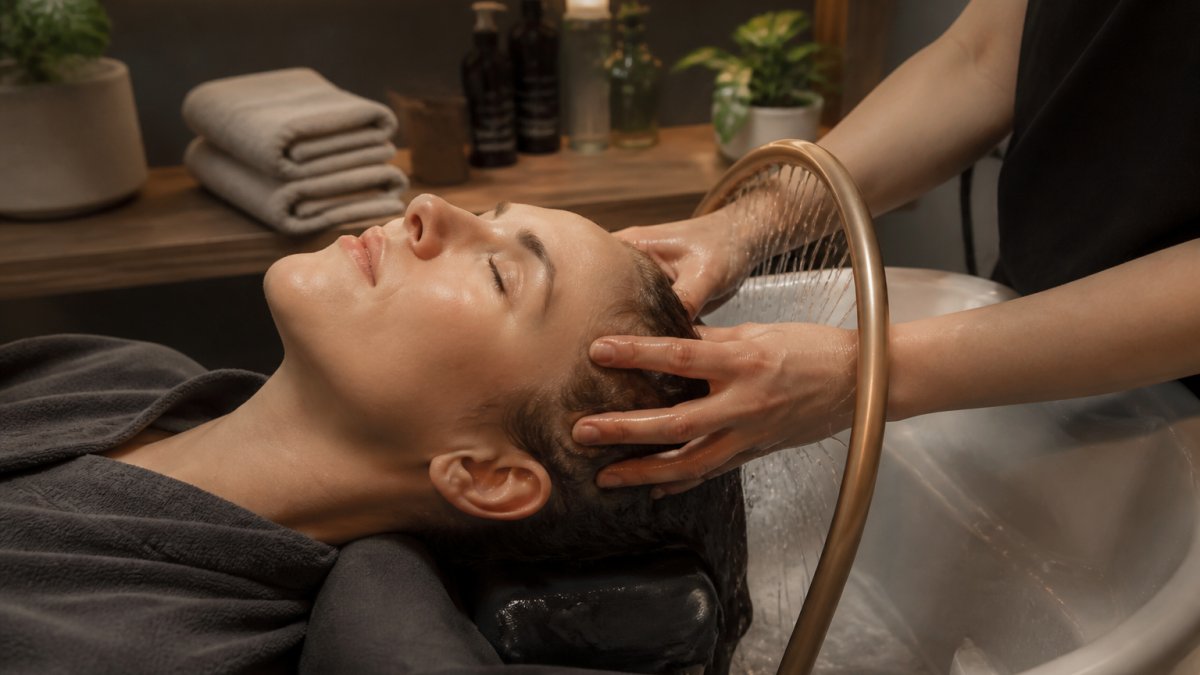
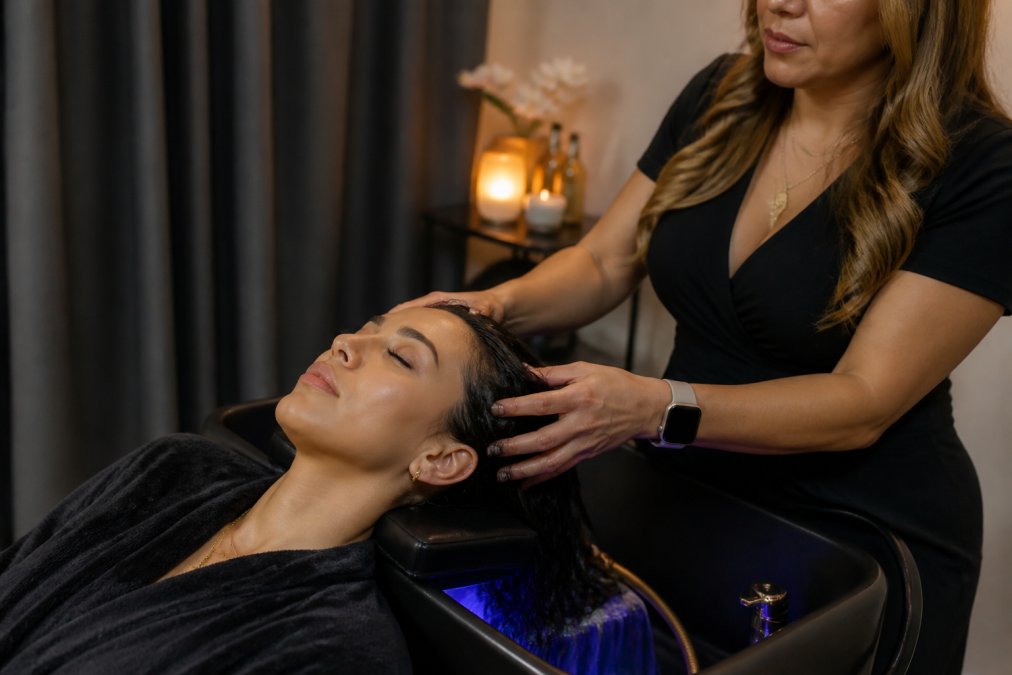
    Technician performing a relaxing Japanese head spa scalp massage on a woman in a serene, softly lit treatment room.
    Technician performing a relaxing Japanese head spa scalp massage on a woman in a serene, softly lit treatment room.

    A Japanese head spa is a multi-step scalp treatment that combines scalp analysis, deep cleansing, exfoliation, massage, and hydration. It targets the skin under your hair, not just the strands.

    Below, we break down a schedule by scalp type, explain what each visit does, and flag the signs you are booking too often.

    The General Rule: Every Three to Four Weeks

    Every three to four weeks is the standard interval for most people. That timing lines up with the scalp renewal cycle, the roughly month-long window in which skin cells turn over.

    Booking in that window can help clear buildup before it becomes flaking and keep oil production steadier between visits.

    Some people do well on a six-week schedule, while others with oily or flaky scalps may benefit from visits every two to three weeks at first.

    Matching Frequency to Your Scalp Condition

    Your scalp condition should set the pace, not a fixed rule. Here is how we map it:

    Scalp Condition Starting Frequency Why It Fits
    Oily scalp, heavy buildup Every 2-3 weeks Frequent deep cleansing controls excess oil
    Dandruff or flaking Every 2-3 weeks, then monthly Regular exfoliation clears dead skin
    Dry or sensitive scalp Every 4-6 weeks Gentler pace avoids irritation
    Normal scalp, maintenance Every 3-4 weeks Keeps scalp health steady
    Thinning hair concerns Every 3-4 weeks Supports a clean, healthy scalp environment

    More visits is not automatically better, so it is worth discussing your scalp’s needs with a professional before booking frequently.

    Japanese Head Spa Benefits: What Regular Treatments Actually Do

    Regular Japanese head spa visits are often described as supporting scalp comfort and relaxation. Benefits may build with consistency rather than from a single session.

    What the Treatment Actually Does

    A Japanese head spa works on the skin under your hair through a sequence of steps:

    • Scalp analysis to assess oil, flaking, and sensitivity before products are applied
    • Deep cleansing with targeted products to lift product residue and excess oil
    • Exfoliation to loosen dead skin cells so they can be rinsed away
    • Scalp massage to ease tension and support circulation
    • Hydration and finish to leave the scalp comfortable rather than tight

    Buildup of oil, dead skin, and styling residue can make a scalp feel itchy, flaky, or heavy, and gentle cleansing plus exfoliation can help remove that layer. Massage may add a relaxing effect.

    Realistic Expectations: Cosmetic and Relaxation Benefits

    It is worth being clear about what a head spa is and is not. A Japanese head spa is a cosmetic and relaxation treatment, not a medical one. Many people find the session relaxing, and some notice a calmer, cleaner-feeling scalp over time.

    What the treatment does not do is treat scalp disorders or guarantee hair growth. Any benefits relate to cleanliness and comfort, and a spa treatment is not a substitute for medical care. If you have persistent itching, inflammation, or severe flaking, a dermatologist is the right next step.

    Why Results Fade If You Stop

    Maintenance visits can help keep the scalp clear between deeper treatments, and a regular routine may support the relaxation benefit. Think of frequency as a maintenance schedule rather than a cure.

    If you notice redness, tightness, or stinging after a treatment, you may want to space visits further apart and mention it at your next appointment.

    Japanese Head Spa Treatment Duration: How Long Each Visit Takes

    Session length depends on the service and your scalp needs. Ask about treatment duration when you book so you can plan your day.

    Book Now →

    Ask about treatment duration when you book. It shapes how you plan your day.

    How Often to Get a Japanese Head Spa for Curly Hair

    For curly hair, a less frequent schedule may suit some people, since curly hair can be drier and more sensitive to frequent cleansing.

    The goal with curls is a clean scalp without stripping moisture. Spacing visits gives natural oils time to travel down the strands.

    A common mistake is treating curls like an oily scalp. If your hair feels dry and rough after a treatment, your interval is probably too tight. Stretch it out and let the scalp settle.

    Japanese Head Spa Cost and What Changes Your Interval

    Pricing depends on the service and add-ons. Current pricing is available on the Camellia Scalp and Skin Lounge website so you can check rates before you book.

    Budget shapes frequency for many clients. A practical approach is to book a deeper treatment monthly and a shorter maintenance session in between.

    Several factors can change your ideal interval:

    • Oil production that shifts with season or stress
    • Product buildup from heavy styling routines
    • Hormonal changes that affect scalp condition
    • Climate and how much you sweat
    • Your goals, from relaxation to flaking control

    At-Home Care Between Appointments and Signs You Are Over-Treating

    What you do between visits protects your results. A simple routine keeps the scalp calm and stretches the value of each appointment.

    Try these between sessions:

    • Wash with a gentle shampoo suited to your scalp type
    • Avoid scratching or picking at flaky areas
    • Skip harsh scrubs right after a professional exfoliation
    • Keep styling products off the scalp where you can
    • Use a soft towel and let hair air-dry when possible

    Watch out: redness, tightness, or stinging after a treatment are signs you are over-treating. Scale back the frequency and mention it at your next visit.

    If flaking, itching, or irritation persists despite regular care, see a dermatologist. Some scalp conditions, like seborrheic dermatitis, need medical treatment, and a spa visit is not a substitute.

    Book Your First Japanese Head Spa Session

    Figuring out your rhythm takes one visit and a honest look at your scalp. Start with a session, let our team assess your scalp condition, and build a schedule from there.

    At Camellia Scalp and Skin Lounge, our professionals provide personalized care in a calm lounge setting at The Shops at Peace Plaza. Our head spa rituals focus on scalp cleansing and hair care support. Pricing is listed on our website, and same-day availability options are offered.

    Get started with Camellia Scalp and Skin Lounge to discuss the treatment frequency that may fit your scalp.

    Frequently Asked Questions

    How often should you go to a Japanese head spa?

    For many people, a Japanese head spa every three to four weeks may suit their scalp. If you have an oily scalp or heavy product buildup, start with biweekly visits for one to three months, then move to monthly maintenance. Dry or sensitive scalps often do well with a session every four to six weeks. Ask your technician about adjusting the schedule after a scalp analysis at your first visit.

    How long should you wait between Japanese head spa treatments?

    Wait at least two weeks between sessions so the scalp can complete its renewal cycle and recover from exfoliation. Most clients settle into a three- to four-week rhythm, which matches the skin renewal cycle. After a treatment with extra exfoliation, you may want to allow more time before the next visit. If you notice redness or tightness, consider spacing visits further apart.

    Does a Japanese head spa help with hair growth?

    A Japanese head spa may help support scalp comfort by removing buildup and offering relaxing massage. A clean, balanced scalp creates a better environment for hair, but no spa treatment is a proven cure for hair loss. If you notice unusual thinning or shedding, see a dermatologist for a diagnosis. A head spa can complement that care, not replace it.

    How often should you get a Japanese head spa if you have a sensitive scalp?

    Some people with sensitive scalps prefer a longer interval and a gentle cleanse with minimal exfoliation; you can discuss this with your technician. Sensitive scalps react to over-treatment, so watch for redness, itching, or tightness after a visit and stretch the interval if those appear. You may wish to ask about a consultation before your first full treatment so the team can discuss products suitable for your scalp.

  • Head Spa Benefits: A Complete 2026 Guide

    Head Spa Benefits: A Complete 2026 Guide

    Table of Contents

    Last Updated: September 29, 2026

    What Is a Japanese Head Spa?

    A head spa is a specialized scalp treatment that combines deep cleansing, therapeutic massage, and targeted skincare to promote scalp health and relaxation, delivering numerous head spa benefits. Originating in Japan, this treatment uses warm water, gentle pressure, and specialized techniques to cleanse the scalp, remove product buildup, and stimulate blood circulation to hair follicles.

    Unlike a standard salon shampoo, a professional head spa treatment involves multiple stages. The therapist uses a combination of water pressure, massage techniques, and sometimes specialized serums or cleansing solutions to address specific scalp conditions. The experience typically includes a scalp analysis to identify your individual needs, followed by customized treatment steps designed to restore balance and vitality to your scalp environment.

    At Camellia Scalp and Skin Lounge, our head spa treatments combine Japanese-inspired techniques with advanced scalp analysis to support scalp health and comfort. The treatment addresses concerns from visible flaking and itchiness to underlying sebum regulation and follicle stimulation.

    Core Benefits of Head Spa Treatments

    Deep Cleansing and Scalp Detox

    The primary benefit of a head spa is thorough cleansing that goes far beyond what regular shampooing achieves. Product buildup accumulates on the scalp over time from styling products, conditioners, dry shampoos, and environmental pollutants. This buildup blocks the scalp’s natural ability to regulate itself and can trap moisture or create an environment where irritation develops.

    A professional head spa uses targeted water pressure and specialized cleansing techniques to dissolve and remove this buildup without stripping the scalp of its natural oils. The deep cleansing action helps restore the scalp’s natural pH balance and allows the skin to breathe. Many clients report that their scalp feels noticeably lighter and clearer immediately after treatment, with improved comfort.

    The scalp detox process also helps prepare your scalp for better absorption of any treatments or products applied afterward. A cleansed scalp environment is more receptive to hydrating serums or therapeutic ingredients that support long-term scalp health.

    Addressing Scalp Issues: Dandruff, Dryness, and Oil Imbalance

    Scalp problems like dandruff, excessive dryness, and oily buildup often stem from an imbalanced scalp environment. When the scalp’s natural microbiome and moisture barrier are disrupted, these issues develop and persist despite home care efforts.

    A head spa treatment directly addresses these root causes by restoring scalp hydration, regulating sebum production, and rebalancing the scalp’s natural ecosystem. For clients dealing with persistent flaking or itchiness, the combination of gentle exfoliation and targeted hydration often provides relief. The therapeutic massage component also improves circulation to the scalp, which supports the skin’s natural healing and regeneration processes.

    Professional scalp analysis identifies whether your issue is truly dryness, dehydration, excess oil, or a combination of factors. This distinction matters because the treatment approach differs. A truly dry scalp needs moisture replenishment, while an oily scalp often needs better sebum regulation and cleansing. Addressing the actual problem rather than guessing at it makes the difference between temporary relief and lasting improvement.

    Stress Relief and Relaxation Through Therapeutic Massage

    The scalp massage component of a head spa treatment delivers significant stress relief benefits. The scalp contains numerous nerve endings, and therapeutic massage in this area activates the parasympathetic nervous system, which is responsible for relaxation and recovery (pubmed.ncbi.nlm.nih.gov).

    During a professional head spa session, the therapist uses specific massage techniques that release tension in the scalp, neck, and shoulder areas. Many clients experience a profound sense of calm during treatment. The combination of warm water, gentle pressure, and skilled touch creates a deeply rejuvenating sensory experience.

    Regular head spa treatments can help manage stress-induced scalp tension and may support better sleep quality. The relaxation response triggered during treatment extends beyond the appointment itself.

    Benefits of Scalp Massage for Hair Growth

    Follicle Stimulation and Blood Circulation

    One of the most sought-after benefits of scalp massage is its potential to support hair growth through improved blood circulation. When blood flow to the scalp increases, hair follicles receive more oxygen and nutrients, which supports the hair growth cycle and follicle health (Checking your browser).

    #1 head spa in Vegas

    Samantha March

    The therapeutic massage techniques used in a professional head spa session are specifically designed to stimulate blood circulation without causing irritation. This sustained increase in blood flow to the scalp can help nourish hair follicles over time. For clients concerned with thinning hair or slow hair growth, regular head spa treatments combined with proper home care offer a non-invasive way to support hair vitality.

    The follicle stimulation benefits are cumulative, meaning that regular treatments tend to show better results than occasional sessions.

    Hair Manageability and Shine Enhancement

    A healthy scalp environment directly translates to healthier-looking hair. When the scalp is properly cleansed, hydrated, and balanced, hair becomes more manageable, shinier, and stronger from root to tip.

    Book Now →

    The deep cleansing and hydration from a head spa treatment removes the dullness caused by product buildup and environmental deposits. Hair that emerges from a clean, nourished scalp has better texture, more natural shine, and improved styling capability.

    Enhanced hair vitality may support the lifespan of color treatments and reduce breakage. Hair that grows from a healthy scalp environment is naturally stronger and more resilient, which means better overall hair quality regardless of styling or coloring choices.

    Scalp Analysis Benefits and Professional Assessment

    Professional scalp analysis is a critical component of an effective head spa treatment. Rather than guessing at what your scalp needs, a trained professional uses microscopic examination or detailed visual assessment to identify your specific scalp condition and recommend targeted treatment.

    A thorough scalp analysis reveals information that you cannot see with the naked eye: the actual moisture level of your scalp, the degree of buildup, the health of individual follicles, and any areas of irritation or inflammation. This diagnostic information allows the therapist to customize the treatment to address your exact needs rather than applying a one-size-fits-all approach.

    The assessment also establishes a baseline for measuring improvement over time.

    Japanese Head Spa Treatment Duration and Session Structure

    Understanding the structure of a professional head spa session helps you prepare for what to expect and plan your time accordingly. A typical head spa treatment follows a specific sequence designed to maximize benefits.

    What to Expect During Your First Session

    Your first head spa appointment begins with a detailed consultation about your scalp concerns, hair history, and any sensitivities. The therapist will ask about your current routine, products you use, and any previous scalp issues you’ve experienced. This conversation informs the entire treatment plan.

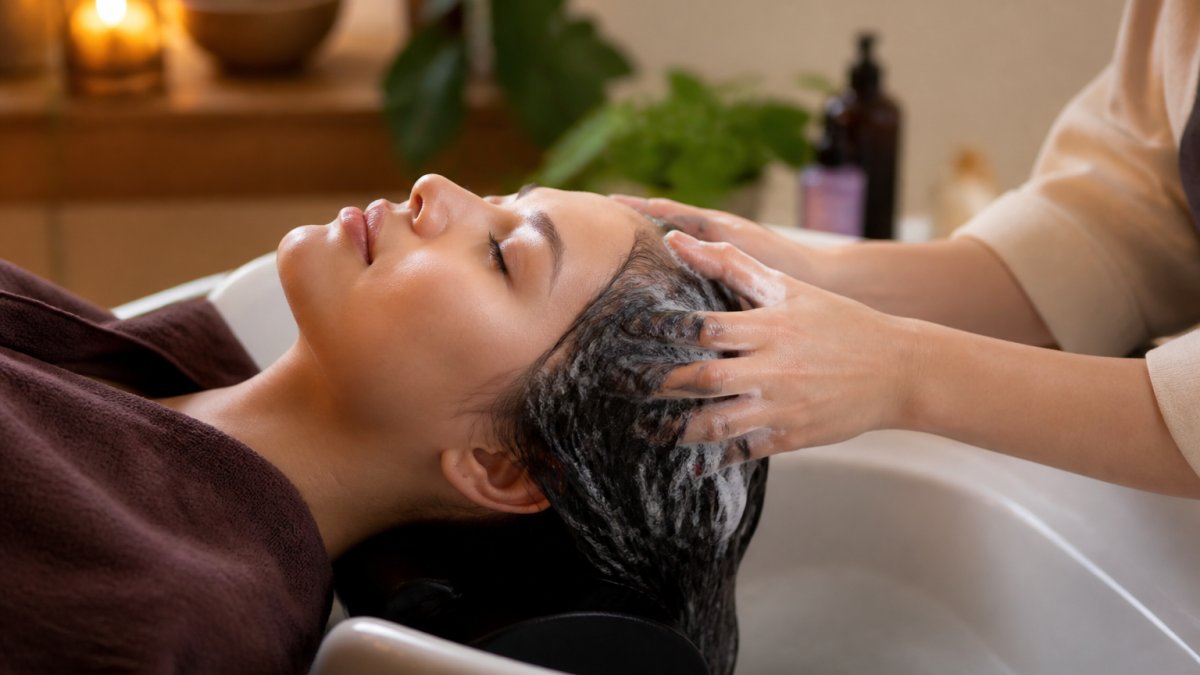
    Therapist performing a relaxing scalp massage to demonstrate head spa benefits in a calm, modern treatment lounge
    Therapist performing a relaxing scalp massage to demonstrate head spa benefits in a calm, modern treatment lounge

    Important Pre-Treatment Screening

    • Active scalp infections or wounds: Fungal infections (ringworm), bacterial infections, or open cuts should be fully healed before treatment, as massage and water pressure can spread infection or cause pain.
    • Recent head or neck surgery: Clients should wait at least 2-4 weeks post-surgery before receiving scalp massage, depending on the procedure and surgeon approval.
    • Severe sunburn or chemical burns on the scalp: Thermal or chemical damage requires healing before treatment.
    • Certain skin conditions: Clients with psoriasis, eczema, or seborrheic dermatitis may benefit from head spa treatments, but the therapist should use gentler pressure and avoid exfoliation during flare-ups.
    • Migraine or tension headache disorders: While many clients find head spa relaxing, those prone to migraines triggered by pressure or temperature changes should discuss this with their therapist beforehand.
    • High blood pressure or cardiovascular concerns: The relaxation response and blood flow changes during treatment are generally safe, but clients on blood pressure medication should inform their therapist.
    • Pregnancy: Head spa treatments are typically safe during pregnancy, but certain pressure points and heat exposure should be discussed with your healthcare provider.

    DIY vs. Professional Head Spa Treatments

    While at-home scalp care is valuable, professional head spa treatments deliver benefits that DIY approaches cannot match. The difference comes down to equipment, technique, expertise, and the depth of treatment possible.

    Frequency and Long-Term Results

    How often you should receive head spa treatments depends on your specific scalp condition and goals. For clients addressing active scalp issues like dandruff or significant buildup, regular treatments may provide noticeable improvement. Once the condition improves, maintenance treatments may help sustain results.


    Frequently Asked Questions

    What are the main benefits of getting a head spa treatment?

    Head spa treatments deliver multiple benefits: deep cleansing that removes product buildup and impurities, improved scalp hydration and sebum regulation, reduced dandruff and itchiness, enhanced blood circulation to follicles, and stress relief through therapeutic massage. Many people report noticeable improvements in hair shine, manageability, and overall scalp comfort within the first few sessions.

    How does scalp analysis benefit my hair health?

    Professional scalp analysis identifies your specific scalp condition, including moisture levels, oil imbalance, sensitivity, and any underlying issues like product buildup or inflammation. This assessment allows your therapist to customize treatments to your exact needs rather than using a one-size-fits-all approach. Understanding your scalp environment is the foundation for targeted, effective care that actually addresses your concerns.

    Can head spa treatments help with hair thinning or loss?

    While head spa treatments cannot reverse genetic hair loss, they support scalp health in ways that may benefit hair growth. The therapeutic massage increases blood circulation to follicles, the deep cleansing removes buildup that can suffocate hair roots, and scalp hydration creates an optimal environment for hair vitality. For concerns about significant hair loss, consult a dermatologist or qualified professional to rule out underlying conditions that require medical treatment.

    How long does a typical Japanese head spa treatment take?

    A standard Japanese head spa treatment includes scalp analysis, deep cleansing, exfoliation, massage, and hydration steps. Some facilities offer extended sessions that combine head spa with facial treatments or other services, which can run longer. Your therapist will explain the timeline during your consultation.

    How often should I get a head spa treatment for best results?

    Frequency depends on your scalp condition. Your therapist will recommend a schedule tailored to your scalp’s needs during your first assessment.

    Is a head spa treatment safe for all scalp types?

    Head spa treatments are generally safe for most people, but certain conditions warrant caution. Avoid treatment if you have open wounds, severe scalp infections, or recent head surgery. Those with sensitive skin, migraines triggered by scalp touch, or certain medical conditions should consult their healthcare provider first. Inform your therapist of any allergies, sensitivities, or health concerns so they can adjust the treatment appropriately.