Last Updated: November 4, 2026
Quick Summary
Most people should get a Japanese head spa every three to four weeks, which lines up with the scalp renewal cycle. Oily or flaky scalps may start every two to three weeks, while dry or sensitive scalps do better every four to six weeks.
- A Japanese head spa combines scalp analysis, deep cleansing, exfoliation, massage, and hydration.
- Some people do well on a six-week schedule, while others need visits every two to three weeks at first.
- For curly hair, a less frequent schedule may suit you since curls can be drier and more sensitive.
- Redness, tightness, or stinging after a treatment are signs you are over-treating and should space visits out.
- A Japanese head spa is a cosmetic and relaxation treatment, not a medical one.
Table of Contents
- How Often to Get a Japanese Head Spa: A Schedule by Scalp Type and Goal
- Japanese Head Spa Benefits: What Regular Treatments Actually Do
- Japanese Head Spa Treatment Duration: How Long Each Visit Takes
- How Often to Get a Japanese Head Spa for Curly Hair
- Japanese Head Spa Cost and What Changes Your Interval
- At-Home Care Between Appointments and Signs You Are Over-Treating
- Book Your First Japanese Head Spa Session
- Frequently Asked Questions
How Often to Get a Japanese Head Spa: A Schedule by Scalp Type and Goal
The right frequency for a Japanese head spa depends on your scalp. Many people book every three to four weeks, but oil level, flaking, and goals can call for a shorter or longer interval. At Camellia Scalp and Skin Lounge, we built this guide around one idea: frequency should follow your scalp, not a calendar.
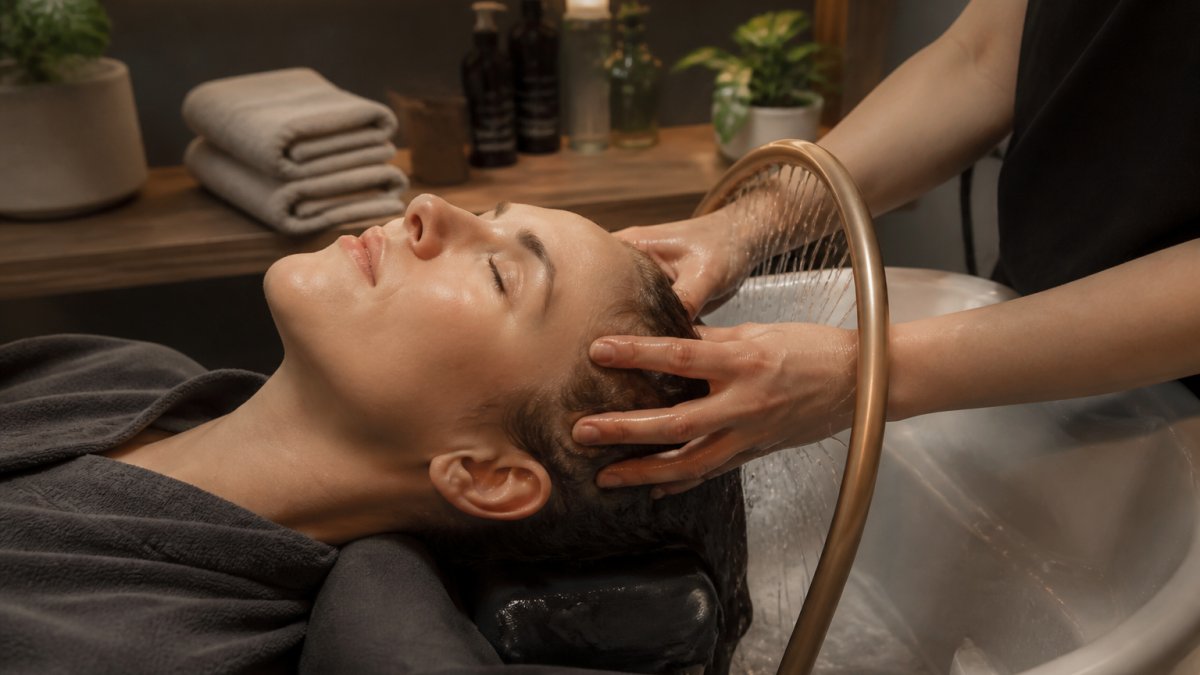
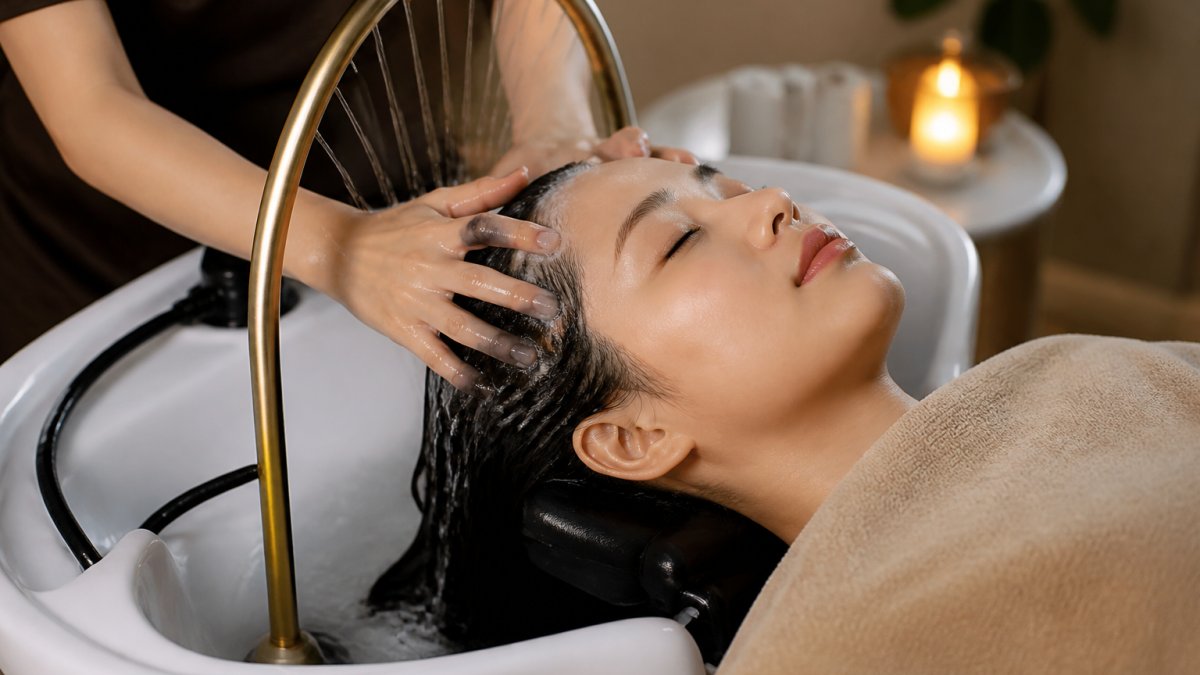
A Japanese head spa is a multi-step scalp treatment that combines scalp analysis, deep cleansing, exfoliation, massage, and hydration. It targets the skin under your hair, not just the strands.
Below, we break down a schedule by scalp type, explain what each visit does, and flag the signs you are booking too often.
The General Rule: Every Three to Four Weeks
Every three to four weeks is the standard interval for most people. That timing lines up with the scalp renewal cycle, the roughly month-long window in which skin cells turn over.
Booking in that window can help clear buildup before it becomes flaking and keep oil production steadier between visits.
Some people do well on a six-week schedule, while others with oily or flaky scalps may benefit from visits every two to three weeks at first.
Matching Frequency to Your Scalp Condition
Your scalp condition should set the pace, not a fixed rule. Here is how we map it:
| Scalp Condition | Starting Frequency | Why It Fits |
|---|---|---|
| Oily scalp, heavy buildup | Every 2-3 weeks | Frequent deep cleansing controls excess oil |
| Dandruff or flaking | Every 2-3 weeks, then monthly | Regular exfoliation clears dead skin |
| Dry or sensitive scalp | Every 4-6 weeks | Gentler pace avoids irritation |
| Normal scalp, maintenance | Every 3-4 weeks | Keeps scalp health steady |
| Thinning hair concerns | Every 3-4 weeks | Supports a clean, healthy scalp environment |
More visits is not automatically better, so it is worth discussing your scalp’s needs with a professional before booking frequently.
Japanese Head Spa Benefits: What Regular Treatments Actually Do
Regular Japanese head spa visits are often described as supporting scalp comfort and relaxation. Benefits may build with consistency rather than from a single session.
What the Treatment Actually Does
A Japanese head spa works on the skin under your hair through a sequence of steps:
- Scalp analysis to assess oil, flaking, and sensitivity before products are applied
- Deep cleansing with targeted products to lift product residue and excess oil
- Exfoliation to loosen dead skin cells so they can be rinsed away
- Scalp massage to ease tension and support circulation
- Hydration and finish to leave the scalp comfortable rather than tight
Buildup of oil, dead skin, and styling residue can make a scalp feel itchy, flaky, or heavy, and gentle cleansing plus exfoliation can help remove that layer. Massage may add a relaxing effect.
Realistic Expectations: Cosmetic and Relaxation Benefits
It is worth being clear about what a head spa is and is not. A Japanese head spa is a cosmetic and relaxation treatment, not a medical one. Many people find the session relaxing, and some notice a calmer, cleaner-feeling scalp over time.
What the treatment does not do is treat scalp disorders or guarantee hair growth. Any benefits relate to cleanliness and comfort, and a spa treatment is not a substitute for medical care. If you have persistent itching, inflammation, or severe flaking, a dermatologist is the right next step.
Why Results Fade If You Stop
Maintenance visits can help keep the scalp clear between deeper treatments, and a regular routine may support the relaxation benefit. Think of frequency as a maintenance schedule rather than a cure.
If you notice redness, tightness, or stinging after a treatment, you may want to space visits further apart and mention it at your next appointment.
Japanese Head Spa Treatment Duration: How Long Each Visit Takes
Session length depends on the service and your scalp needs. Ask about treatment duration when you book so you can plan your day.
Ask about treatment duration when you book. It shapes how you plan your day.
How Often to Get a Japanese Head Spa for Curly Hair
For curly hair, a less frequent schedule may suit some people, since curly hair can be drier and more sensitive to frequent cleansing.
The goal with curls is a clean scalp without stripping moisture. Spacing visits gives natural oils time to travel down the strands.
A common mistake is treating curls like an oily scalp. If your hair feels dry and rough after a treatment, your interval is probably too tight. Stretch it out and let the scalp settle.
Japanese Head Spa Cost and What Changes Your Interval
Pricing depends on the service and add-ons. Current pricing is available on the Camellia Scalp and Skin Lounge website so you can check rates before you book.
Budget shapes frequency for many clients. A practical approach is to book a deeper treatment monthly and a shorter maintenance session in between.
Several factors can change your ideal interval:
- Oil production that shifts with season or stress
- Product buildup from heavy styling routines
- Hormonal changes that affect scalp condition
- Climate and how much you sweat
- Your goals, from relaxation to flaking control
At-Home Care Between Appointments and Signs You Are Over-Treating
What you do between visits protects your results. A simple routine keeps the scalp calm and stretches the value of each appointment.
Try these between sessions:
- Wash with a gentle shampoo suited to your scalp type
- Avoid scratching or picking at flaky areas
- Skip harsh scrubs right after a professional exfoliation
- Keep styling products off the scalp where you can
- Use a soft towel and let hair air-dry when possible
Watch out: redness, tightness, or stinging after a treatment are signs you are over-treating. Scale back the frequency and mention it at your next visit.
If flaking, itching, or irritation persists despite regular care, see a dermatologist. Some scalp conditions, like seborrheic dermatitis, need medical treatment, and a spa visit is not a substitute.
Book Your First Japanese Head Spa Session
Figuring out your rhythm takes one visit and a honest look at your scalp. Start with a session, let our team assess your scalp condition, and build a schedule from there.
At Camellia Scalp and Skin Lounge, our professionals provide personalized care in a calm lounge setting at The Shops at Peace Plaza. Our head spa rituals focus on scalp cleansing and hair care support. Pricing is listed on our website, and same-day availability options are offered.
Get started with Camellia Scalp and Skin Lounge to discuss the treatment frequency that may fit your scalp.
Frequently Asked Questions
How often should you go to a Japanese head spa?
For many people, a Japanese head spa every three to four weeks may suit their scalp. If you have an oily scalp or heavy product buildup, start with biweekly visits for one to three months, then move to monthly maintenance. Dry or sensitive scalps often do well with a session every four to six weeks. Ask your technician about adjusting the schedule after a scalp analysis at your first visit.
How long should you wait between Japanese head spa treatments?
Wait at least two weeks between sessions so the scalp can complete its renewal cycle and recover from exfoliation. Most clients settle into a three- to four-week rhythm, which matches the skin renewal cycle. After a treatment with extra exfoliation, you may want to allow more time before the next visit. If you notice redness or tightness, consider spacing visits further apart.
Does a Japanese head spa help with hair growth?
A Japanese head spa may help support scalp comfort by removing buildup and offering relaxing massage. A clean, balanced scalp creates a better environment for hair, but no spa treatment is a proven cure for hair loss. If you notice unusual thinning or shedding, see a dermatologist for a diagnosis. A head spa can complement that care, not replace it.
How often should you get a Japanese head spa if you have a sensitive scalp?
Some people with sensitive scalps prefer a longer interval and a gentle cleanse with minimal exfoliation; you can discuss this with your technician. Sensitive scalps react to over-treatment, so watch for redness, itching, or tightness after a visit and stretch the interval if those appear. You may wish to ask about a consultation before your first full treatment so the team can discuss products suitable for your scalp.
