Last Updated: October 23, 2026
Quick Summary
Signs of scalp buildup causing hair loss include greasy or oily hair within hours of washing, visible flaking or scaling, itching and scalp irritation, and increased shedding. These symptoms occur because accumulated oils, dead skin cells, and product residue block hair follicles and disrupt the hair growth cycle, causing hair to enter the shedding phase prematurely.
- Scalp buildup forms from sebum, dead skin cells, sweat, and product residue layering over time and not being fully removed.
- Greasy hair, yellowish flakes, and an itchy scalp are common warning signals that buildup has taken hold.
- Use a clarifying shampoo once weekly for 4-6 weeks to remove buildup without stripping your scalp.
- Most buildup-related shedding is temporary and reversible once you remove accumulated oils and calm inflammation.
- Seek professional assessment if shedding persists for more than 8 weeks despite home treatment or if you see signs of infection.
Table of Contents
- What Scalp Buildup Is and What Causes It
- Scalp Buildup Symptoms You Shouldn’t Ignore
- Itchy Scalp and Hair Shedding: The Connection
- Scalp Buildup vs. Other Scalp Conditions
- How to Get Rid of Scalp Buildup
- Temporary Shedding vs. Permanent Hair Loss
- When to See a Professional
- Frequently Asked Questions
What Scalp Buildup Is and What Causes It
Scalp buildup is the accumulation of oils, dead skin cells, sweat, and product residue on your scalp and hair. It forms when these substances layer over time and aren’t fully removed through regular washing.
Several things contribute to buildup. Sebum, your scalp’s natural oil, is the primary culprit. Your scalp produces sebum to protect skin and hair.
The result is a clogged scalp environment. Hair follicles become blocked. Your scalp can’t breathe properly. This sets the stage for irritation, inflammation, and eventually, hair shedding.
Common Buildup Sources
Understanding what’s accumulating on your scalp helps you target the problem:
- Sebum and excess oil from overactive sebaceous glands
- Dead skin cells that naturally shed from your scalp
- Sweat and minerals from perspiration
- Silicones and waxes in many hair products
- Dry shampoo residue if used frequently without clarifying
- Chlorine and minerals from hard water or swimming
- Styling product buildup from pomades, gels, and sprays
Scalp Buildup Symptoms You Shouldn’t Ignore
The signs of scalp buildup causing hair loss vary, but most people notice a cluster of warning signals rather than a single symptom. Your scalp may feel uncomfortable, your hair may look dull, and shedding may increase noticeably. These symptoms shouldn’t be ignored because they signal that your scalp environment needs attention.
Greasy or Oily Hair and Scalp
A greasy scalp is often the first sign of buildup. Your hair feels heavy and limp within hours of washing. The roots look wet even when they’re dry.
Ironically, greasy hair often triggers more washing. Frequent shampooing can strip your scalp’s natural oils, causing it to overproduce sebum to compensate. This creates a cycle that worsens the problem.
You might notice your scalp feels slick to the touch. Your hair loses volume and shine. The greasy appearance persists even after using clarifying products.
Flaking, Scaling, and Visible Residue
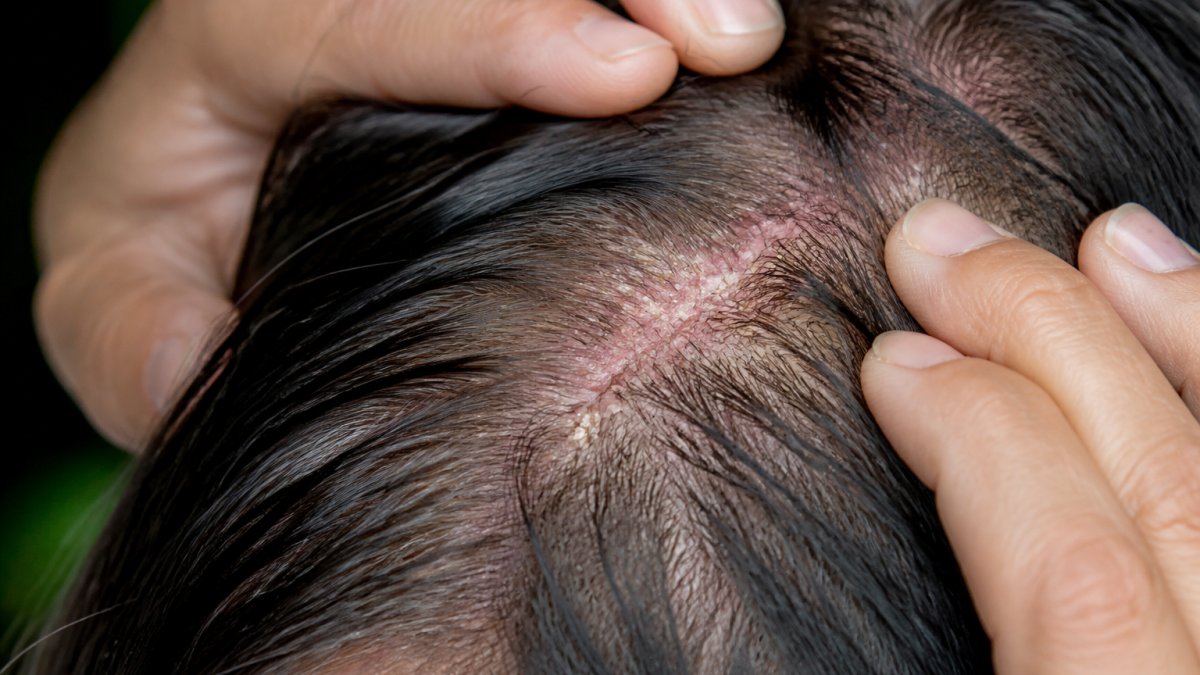
Flaking and scaling are visible signs that buildup is present. You see white or yellowish flakes on your scalp, in your hair, or on your shoulders. These aren’t necessarily dandruff.
Waxy buildup can appear as crusty patches on your scalp. Some people describe it as a film covering their scalp.
Visible residue from dry shampoo or styling products often sits on your scalp surface. It doesn’t fully wash out, especially if you apply product frequently. Over time, these layers become noticeable and uncomfortable.
Itching and Scalp Irritation
An itchy scalp is a common response to buildup. Your scalp becomes irritated because accumulated oils and dead skin create an environment where irritation thrives. You feel the urge to scratch constantly. Scratching damages the scalp barrier, leading to more inflammation.
Scalp irritation can range from mild itching to intense discomfort. Some people experience a tender or painful scalp when touched. The skin may feel tight or sensitive. This irritation often worsens in the evening or after sweating.
A Practical Symptom-Based Decision Guide
Symptoms alone don’t diagnose a condition, but the pattern you notice can guide sensible next steps. Use this guide to decide whether to adjust your routine, try an over-the-counter approach, or seek professional assessment.
| Symptom Pattern | What It May Suggest | Sensible Next Step |
|---|---|---|
| Oily roots within hours of washing, limp hair, no significant flaking | Excess sebum and light product residue | Add a clarifying shampoo once weekly; avoid heavy conditioners on the scalp |
| Greasy, yellowish flakes that cling to the scalp and hair | Sebum mixed with dead skin, possibly seborrheic dermatitis | Try a gentle clarifying routine for 2-3 weeks; if flakes persist or worsen, see a dermatologist |
| White, dry flakes that fall easily onto shoulders | Dry scalp or dandruff rather than classic buildup | Use a gentle, sulfate-free shampoo; avoid over-washing and harsh clarifying agents |
| Itching with no visible flakes, worse after sweating | Irritation from residue or early inflammation | Rinse thoroughly after exercise; reduce styling product use; monitor for 2 weeks |
| Tender or painful areas, warmth, or unusual odor | Possible inflammation or infection | Seek professional assessment promptly; do not attempt deep cleansing at home |
| Sudden increase in shedding with oily scalp and flakes | Irritation-related shedding or a flare of a scalp condition | Start a gentle cleansing routine and track shedding for 4 weeks; if no improvement, see a professional |
| Patchy hair loss, broken hairs, or scalp sores | Not typical of simple buildup | See a dermatologist for evaluation |
Track your symptoms for two weeks before changing products. Note wash frequency, products used, and daily shedding so you can tell whether a routine is helping or whether you need professional input.
When Symptoms Overlap
Many people have more than one pattern at once, such as oily flakes plus itching. In that case, start with the gentlest step that addresses the most likely cause: a thorough but gentle cleansing routine. If symptoms don’t improve within 2-4 weeks, or if any red flag appears, move to professional assessment rather than escalating to stronger products on your own.
Itchy Scalp and Hair Shedding: The Connection
An itchy scalp and excessive hair shedding often go hand in hand. When buildup irritates your scalp, inflammation increases. This inflammation disrupts the hair growth cycle.
The connection is direct. Buildup blocks hair follicles. Your scalp can’t nourish hair roots properly. Hair becomes weak at the base and sheds more easily.
Many people panic when they see increased shedding, assuming it means permanent hair loss. Often, it’s a temporary response to scalp irritation. Once you remove the buildup and calm the inflammation, shedding typically decreases. Your hair growth cycle returns to normal.
Scalp Buildup vs. Other Scalp Conditions
Buildup isn’t the only condition that causes itching, flaking, and hair shedding. Several scalp disorders mimic buildup symptoms. Understanding the difference helps you seek the right treatment.
Seborrheic Dermatitis and Hair Loss
Seborrheic dermatitis is a chronic inflammatory condition affecting the scalp and skin. It causes greasy, scaly patches and itching similar to buildup. However, seborrheic dermatitis is a medical condition, not simply excess oil and product.
With seborrheic dermatitis, flakes are often yellow or greasy. The itching is typically more intense. The condition may spread to other areas like the face or chest.
Seborrheic dermatitis can contribute to hair shedding if left untreated. The inflammation damages hair follicles over time. However, treating the underlying condition usually stops the shedding.
Psoriasis, Contact Dermatitis, and Dandruff
Psoriasis on the scalp causes thick, silvery scales and intense itching. The scales are often larger and more defined than dandruff flakes. Psoriasis is an autoimmune condition requiring specific treatment.
Contact dermatitis develops when your scalp reacts to a product ingredient. You might notice redness, swelling, or a rash in addition to itching. This reaction appears after using a new product.
Dandruff is different from buildup, though they can coexist. Dandruff involves flaking from a dry scalp. Buildup typically causes greasy flaking.
How to Get Rid of Scalp Buildup
Removing buildup requires consistent effort and the right approach. You can’t fix months of accumulation with a single wash. Instead, you need a multi-step strategy that cleanses deeply while respecting your scalp’s natural balance.
At-Home Cleansing and Care
Start with a clarifying approach. Use a clarifying shampoo once weekly to remove buildup without stripping your scalp. Clarifying shampoos contain stronger cleansing agents than regular shampoos.
Here’s a practical cleansing routine:
- Wet your hair thoroughly with warm water
- Apply clarifying shampoo and massage your scalp gently for 2-3 minutes
- Focus on areas where buildup is heaviest
- Rinse completely with cool water
- Follow with a lightweight conditioner on hair ends only
- Use this routine once per week for 4-6 weeks
Between clarifying washes, use a gentle, sulfate-free shampoo. Avoid heavy conditioners on your scalp. Consider scalp exfoliation tools designed for gentle removal of dead skin.
Reduce product use. If you use dry shampoo, limit it to twice weekly. Avoid silicone-heavy styling products. Choose water-based products over oil-based ones.
Adjust washing frequency based on your results. Some people need to wash every other day initially.
When Professional Treatment Becomes Necessary
If home care doesn’t improve your symptoms after 6-8 weeks, professional treatment becomes important. Persistent buildup, severe itching, or signs of scalp inflammation warrant expert assessment.
Professional scalp treatments offer benefits home care can’t match. A trained specialist can analyze your scalp condition, identify the specific type of buildup, and recommend targeted treatment.
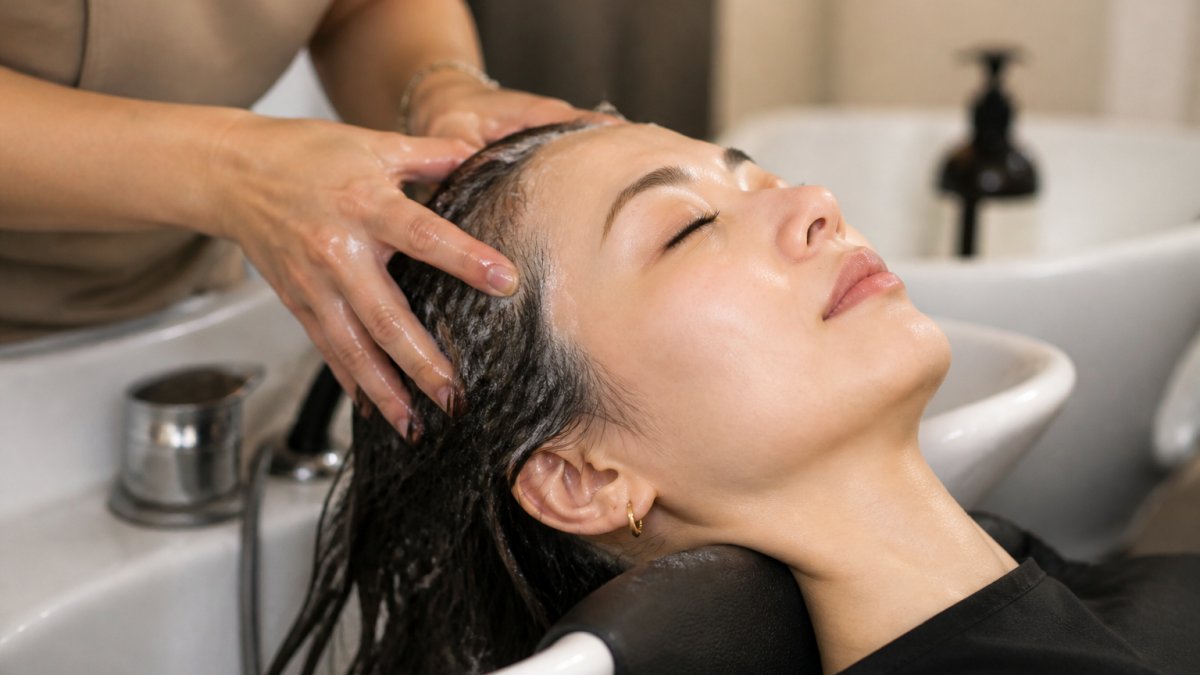
At Camellia Scalp and Skin Lounge, our scalp analysis and Japanese-inspired head spa treatments are designed specifically for this situation.
Professional treatments can offer targeted care. Your scalp may feel less itchy, flaking may decrease, and hair shedding may improve.
Temporary Shedding vs. Permanent Hair Loss
This distinction matters because it affects your urgency and treatment approach. Temporary shedding from buildup is reversible. Permanent hair loss from damaged follicles is not.
Temporary shedding happens when buildup irritates your scalp and disrupts your hair growth cycle. Hair enters the shedding phase prematurely but follicles remain intact.
Permanent hair loss occurs when follicles become severely damaged and stop producing hair. This happens with prolonged, untreated inflammation or certain medical conditions.
The key question: Is your shedding increasing or has it stabilized at a high level? Increasing shedding suggests temporary disruption.
When to See a Professional
You should seek professional evaluation if:
- Shedding persists for more than 8 weeks despite home treatment
- Your scalp remains itchy and irritated after consistent clarifying
- You see signs of infection like pus, warmth, or unusual odor
- Flaking or scaling worsens despite treatment
- You experience significant hair thinning or bald patches
- You have a history of hair loss in your family
- Your scalp condition affects your quality of life
A dermatologist can rule out medical conditions like seborrheic dermatitis or psoriasis. They can prescribe medicated treatments if needed.
Don’t wait months hoping the problem resolves. Early intervention prevents follicle damage and stops temporary shedding before it becomes permanent. Professional assessment gives you clarity about what’s actually happening on your scalp.
Scalp buildup causes real discomfort and visible hair problems. The good news: most buildup-related shedding is reversible with proper treatment.
Frequently Asked Questions
Can scalp buildup cause hair loss or shedding?
Yes, scalp buildup can contribute to hair shedding. When sebum, dead skin cells, sweat, and product residue accumulate on the scalp, they clog hair follicles and create inflammation. This irritation weakens hair strands at the root, leading to increased shedding. Most shedding from buildup is temporary and reverses with proper cleansing, but persistent inflammation may cause lasting follicle damage if left untreated.
What are the signs of scalp buildup?
Common signs include an oily or greasy scalp and hair, visible flaking or scaling, itching and tenderness, scalp odor, dull-looking hair, and excessive shedding. Your scalp may also feel waxy or sticky to the touch. These symptoms often appear together because the same accumulation of sebum, dead skin, and product residue causes multiple problems at once.
Can seborrheic dermatitis cause hair loss?
Seborrheic dermatitis can contribute to hair loss through inflammation and scalp irritation. The condition causes excessive yeast growth and scaling on the scalp, which creates persistent inflammation around hair follicles. This can weaken hair and increase shedding. Unlike simple buildup, seborrheic dermatitis requires medical evaluation and treatment. A dermatologist can determine if your symptoms are seborrheic dermatitis or buildup-related shedding.
How do you get rid of scalp buildup?
Start with clarifying shampoos designed to remove product residue and excess oil, used 1-2 times weekly. Gentle exfoliation with a soft scalp brush or exfoliating treatment helps lift dead skin and buildup. Adjust shampoo frequency based on your hair type and scalp condition. For stubborn or persistent buildup, professional scalp treatments like head spa rituals provide deep cleansing, exfoliation, and specialized care that addresses inflammation and restores scalp health.
