Last Updated: October 25, 2026
Quick Summary
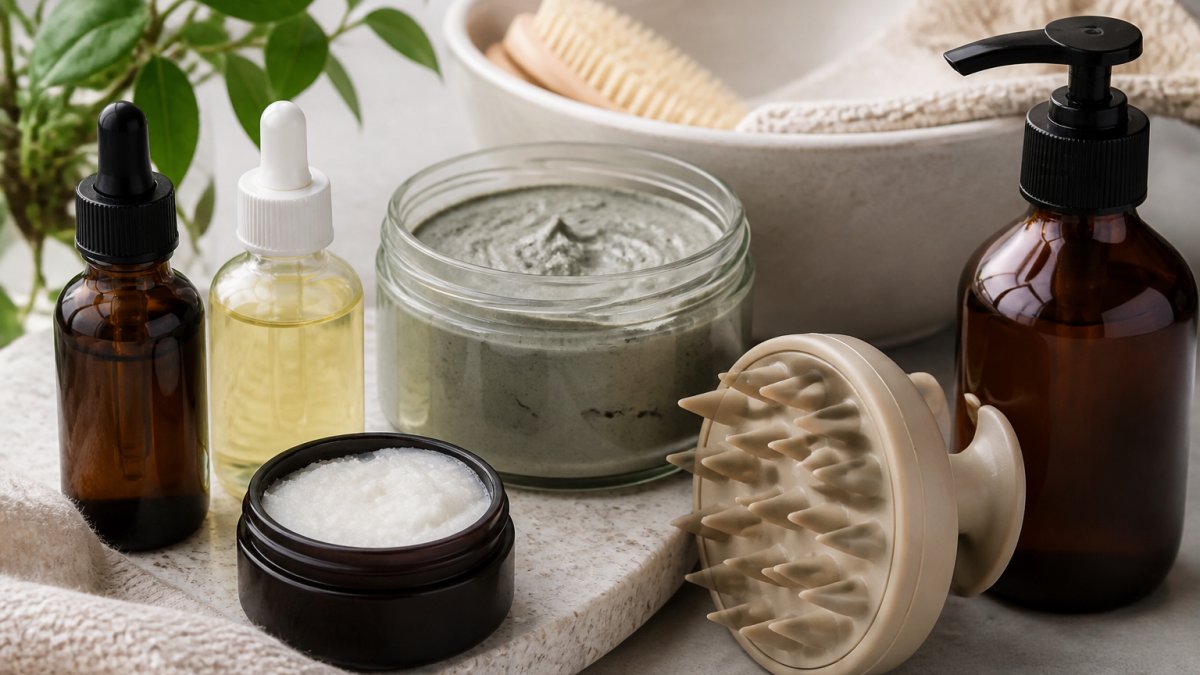
Scalp detox products remove product buildup, excess oil, dirt, and dead skin cells to clarify and deep cleanse the scalp. The best scalp detox products fall into three categories: clarifying shampoos like K18 Peptide Prep, scalp scrubs like Crown Affair, and leave-on serums like Vegamour GRO, often used strategically in combination.
- Use clarifying shampoo once or twice weekly to avoid over-cleansing and stripping the scalp.
- Apply scalp scrubs no more than once weekly or every other week to prevent irritation.
- Patch test leave-on treatments for 24 to 48 hours behind your ear before full application.
- Match your routine to hair type: fine hair needs less frequent clarifying, while curly and textured hair benefits from deeper cleansing.
- See a dermatologist if symptoms persist for more than a few weeks despite consistent gentle care.
Table of Contents
- What Scalp Detox Products Actually Do
- Best Clarifying Shampoos for Deep Scalp Cleansing
- Scalp Scrubs and Exfoliating Treatments
- Scalp Treatment for Itchy Scalp and Irritation
- Building Your Scalp Detox Routine
- Beyond At-Home Products: Professional Scalp Detox Treatments
- Book Your Personalized Scalp Consultation
- Frequently Asked Questions
What Scalp Detox Products Actually Do
Scalp detox products remove product buildup, excess oil, dirt, and dead skin cells that accumulate over time, clarifying and deep cleansing to restore balance and promote healthier-looking hair from the roots.
The term “detox” deserves clarity: these products don’t remove toxins in a medical sense.
At Camellia Scalp and Skin Lounge, we know a clean, balanced scalp is foundational to healthier hair.
Most scalp detox products fall into three categories: clarifying shampoos that remove buildup without harsh stripping, scalp scrubs that physically exfoliate dead skin, and leave-on serums targeting dryness, itchiness, or flaking. The best approach often combines more than one type, used strategically.
Best Clarifying Shampoos for Deep Scalp Cleansing
A good clarifying shampoo removes buildup while maintaining scalp health, using cleansing agents like salicylic acid or gentle exfoliants to dissolve residue without over-drying or leaving your scalp stripped and tight.
K18 Peptide Prep Detox Shampoo
K18 Peptide Prep is designed for deep cleansing without the harsh aftermath. This detox shampoo uses salicylic acid to clear dirt and oil buildup, and according to InStyle, it does so without stripping the scalp.
Use it once or twice weekly rather than daily to avoid over-cleansing; many users report lighter, bouncier hair after just one wash.
LolaVie Exfoliate & Detox Scalp Shampoo
LolaVie positions this shampoo specifically for scalp detox, and Prevention selected it as their best scalp detox shampoo. It combines cleansing with gentle exfoliation to remove buildup and dead skin cells, ideal if you want more than basic clarifying but aren’t ready for a separate scrub.
Use it weekly as part of your maintenance routine; it’s gentle enough for regular use without the over-stripping of harsher clarifying formulas.

Scalp Scrubs and Exfoliating Treatments
Scalp scrubs take cleansing further by physically exfoliating dead skin cells. They typically contain fine particles, sea salt, sugar, or synthetic beads, that massage away flakes and buildup, helping your scalp breathe and improving the effectiveness of treatments used afterward.
The trade-off: scrubs add physical friction, so overuse can irritate a sensitive scalp. Most dermatologists recommend using a scalp scrub once weekly, or every other week if your scalp is reactive.
Crown Affair The Cleansing Scalp Scrub Shampoo
Crown Affair’s offering earned InStyle’s title as best overall scalp scrub. It combines cleansing with gentle exfoliation in one product for a simplified routine. At $54 it’s premium, but the concentrated formula lasts several months with weekly use.
The scrub particles dissolve during shampooing rather than leaving grit behind, which many users prefer for comfort and ease of rinsing.

Briogeo Scalp Revival Micro-Exfoliating Shampoo
Briogeo’s scalp scrub shampoo offers micro-exfoliation in a regular-shampoo format. InStyle named it a top pick for flakes, making it useful for visible flaking or irritation. The micro-particles are gentler than traditional granules, so it suits more frequent use.
This product bridges the gap between clarifying and exfoliating: cleansing action plus gentle physical exfoliation without the heavier texture of a traditional scrub.

Goop G.Tox Himalayan Salt Scalp Scrub Shampoo
Goop’s salt-based scalp scrub combines salt’s cleansing power with shampoo. Health magazine notes it can promote scalp circulation and help maintain a clean scalp, with Himalayan salt exfoliating while the shampoo base cleanses.
Salt scrubs work particularly well for oily scalps because salt helps absorb excess sebum, potentially delivering faster visible results than gentler exfoliants.

These scalp scrubs combine physical exfoliation with cleansing to remove dead skin and buildup.
| Product | Key Ingredient | Price | Best For |
|---|---|---|---|
| Crown Affair The Cleansing Scalp Scrub Shampoo | Dissolving scrub particles | $54 | Best overall scalp scrub |
| Briogeo Scalp Revival Micro-Exfoliating Shampoo | Micro-particles | Not stated | Flakes and frequent use |
| Goop G.Tox Himalayan Salt Scalp Scrub Shampoo | Himalayan salt | Not stated | Oily scalps |
| K18 Peptide Prep Detox Shampoo | Salicylic acid | Not stated | Styling product buildup |
Scalp Treatment for Itchy Scalp and Irritation
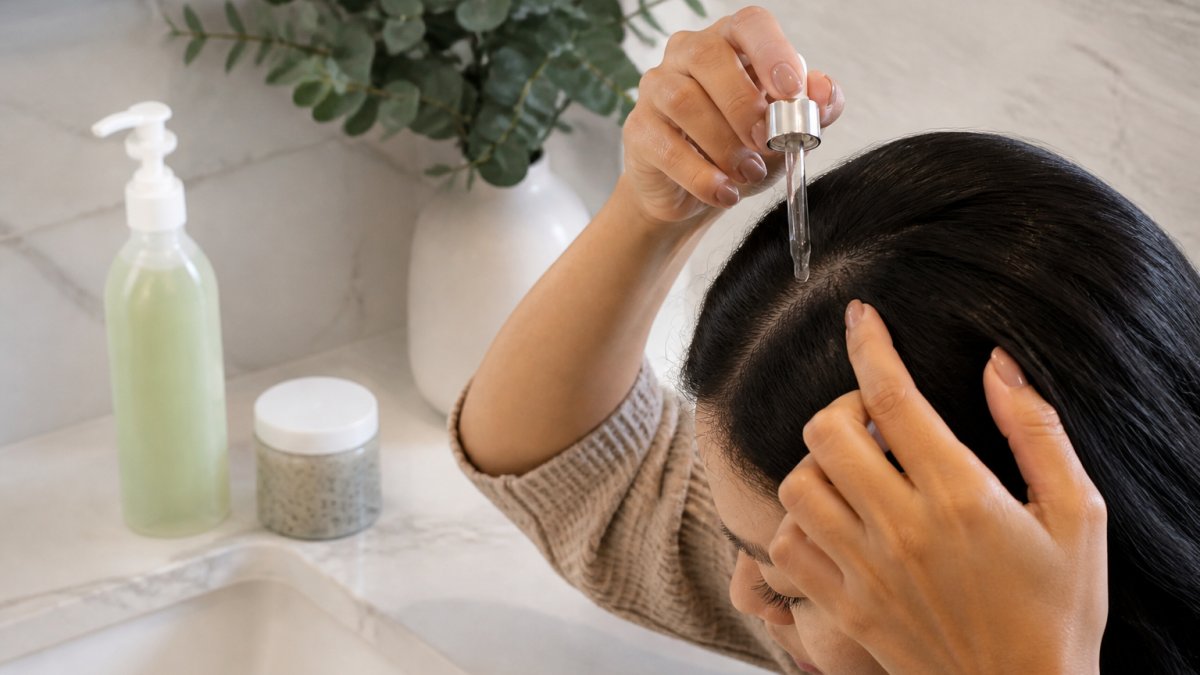
Beyond cleansing, targeted scalp treatments address dryness, itchiness, flaking, and dandruff. These serums and leave-on treatments soothe irritation and restore balance, applied to the scalp and left on rather than rinsed out like shampoos.
Serums and treatment drops work best on a clean scalp, ideally after shampooing, so active ingredients penetrate without competing with product buildup.
Safety first: patch testing and irritation
Leave-on treatments contact skin for hours, so irritation risk is higher than with rinse-off shampoo.
Stop and reassess if you notice persistent burning, spreading redness, hives, or worsening itchiness. Overuse is a common cause of irritation, so follow the label’s frequency. If you have a fragrance sensitivity, choose fragrance-free formulas, since fragrance frequently triggers contact irritation on the scalp.
Do not apply treatment serums to broken, scratched, or inflamed skin. If your scalp is raw from scratching, treat the irritation first and reintroduce products only after the skin has calmed.
Scalp condition versus medical condition
Many scalp symptoms are ordinary and respond to better cleansing and gentle care; others need a diagnosis. See a dermatologist or qualified clinician if you notice any of the following:
- Symptoms that persist for more than a few weeks despite consistent gentle care
- Thick, silvery, or greasy scales, or patches that bleed when scratched
- Hair loss that is patchy, sudden, or accompanied by scalp inflammation
A detox product cannot treat a medical scalp condition, and harsh scrubs or frequent clarifying on inflamed skin can make things worse. If you’re unsure whether flaking is ordinary buildup or something else, a professional scalp analysis can tell the difference before you spend money on products that won’t address the cause.
Choosing a treatment by concern
Match the formula to your primary symptom rather than buying the most heavily marketed option.
- Dryness and tightness: Look for hydrating serums with humectants and soothing botanicals. Apply to a clean scalp and follow with a conditioner on the lengths.
- Itchiness without visible flakes: A soothing leave-on serum used a few times weekly is often enough. If itchiness persists, rule out product sensitivity before adding more treatments.
- Flaking and dandruff: Choose a treatment formulated for flaking and follow the label. If over-the-counter options don’t help within a few weeks, a clinician can determine whether a medicated approach is appropriate.
Products to consider
Vegamour GRO Scalp Detoxifying Serum
Vegamour’s scalp serum is formulated to soothe irritation, itchiness, and product buildup. Health magazine reported positive results, making it a solid choice if your scalp feels uncomfortable or reactive.
Apply directly to areas of concern, your entire scalp or just problem zones, after shampooing, leaving it on throughout the day or overnight per the formula’s instructions.
SheaMoisture Dandruff Treatment Scalp Serum
SheaMoisture’s dandruff-focused serum is designed to reduce flakes and relieve itchiness. Amazon’s listing emphasizes its hydrating properties, important because dandruff often stems from a dry scalp rather than poor hygiene.
The hydrating approach suits people whose flaking comes from dryness or irritation rather than excess oil, and works well combined with a gentle clarifying shampoo.
Briogeo Scalp Treatment Drops
Briogeo’s scalp treatment drops earned Byrdie’s recognition as best overall dry scalp treatment. Designed to hydrate and soothe, they’re ideal if your scalp issues stem from dryness or sensitivity, and the concentrated drop format means a little goes a long way.
Apply these drops before shampooing or after as a leave-on treatment, depending on your scalp’s needs that day.
A leave-on treatment is only as good as the diagnosis behind it. Patch test every new serum, stop if irritation appears, and see a clinician if symptoms persist or suggest a medical condition. A detox product can improve a healthy scalp, but it cannot substitute for diagnosis and treatment of a scalp disorder.
Building Your Scalp Detox Routine
A sustainable scalp detox routine combines products strategically rather than using everything at once, cleansing effectively without disrupting your scalp’s natural balance.
A baseline weekly schedule
Start with a clarifying shampoo once weekly as your baseline to remove buildup without extra products. If your scalp feels particularly congested or oily, clarify twice weekly instead.
Add a scalp scrub every other week. This prevents dead skin buildup and improves circulation.
Combining too many active products can overwhelm your scalp and cause irritation.
Match the routine to your hair type
Routine frequency depends on hair type and scalp condition. Fine or thin hair needs less frequent clarifying to avoid looking limp, while thick, curly, or textured hair often benefits from deeper, more frequent cleansing because buildup interferes with curl definition.
- Fine or thin hair: Clarify once weekly at most, and choose a lightweight formula. Heavy scrubs and rich serums can weigh hair down; a water-thin serum applied only to the scalp is usually enough. If your hair looks flat after clarifying, stretch the interval to every 10-14 days.
- Curly and wavy hair: Buildup is harder to see and easier to miss, especially around the crown and nape. A weekly or biweekly scrub plus a clarifying wash helps preserve curl definition. Apply scrubs to the scalp only and detangle before washing to avoid mechanical breakage.
- Coily and textured hair: Shampooing frequency varies widely, so pair a clarifying wash with your existing wash-day cadence rather than adding extra washes. Section hair before applying scrub or shampoo so product reaches the scalp instead of sitting on the surface. Follow with a moisturizing conditioner, since clarifying can leave coils feeling dry.
How to apply products for better results
Application technique matters as much as product choice. Work in sections, apply product directly to the scalp rather than the lengths, and use fingertips, not nails, with light pressure. A silicone scalp massager distributes scrub evenly and is gentler than manual scrubbing. Rinse thoroughly, since leftover particles or shampoo residue can cause itching and flaking that looks like dandruff.
If you use dry shampoo regularly, clarify more consistently. Dry shampoo residue is one of the most common sources of scalp buildup, and it does not rinse away with a regular wash.
Track what actually changes
Because scalp conditions shift with season, stress, and product changes, keep a simple log for four to six weeks noting products, frequency, and how your scalp felt afterward. A pattern usually emerges: if itching or flaking worsens within a day or two of a product, it’s the likely culprit. If your scalp improves but hair feels dry, you may be clarifying too often or skipping conditioner. Adjust one variable at a time.
Beyond At-Home Products: Professional Scalp Detox Treatments
While at-home products are effective for maintenance, professional scalp treatments offer deeper cleansing and analysis home routines can’t replicate.
Professional treatments are especially valuable if multiple at-home products haven’t helped.
Many people find one professional treatment followed by a consistent home routine delivers better results than either alone: the treatment resets your scalp, and at-home products maintain that cleaner state.
Book Your Personalized Scalp Consultation
At-home scalp detox products work best when matched to your specific scalp condition and hair type, what works for oily buildup differs from what helps dry, itchy scalps.
Camellia Scalp and Skin Lounge offers personalized scalp analysis and Japanese-inspired head spa treatments designed to deeply cleanse your scalp, reduce buildup, and restore balance.
Frequently Asked Questions
What does a scalp detox include?
A scalp detox typically involves removing product buildup, excess oil, dirt, and dead skin cells from the scalp using clarifying shampoos, scalp scrubs, or leave-on serums. The goal is to restore scalp balance and improve hair health at the root. Professional scalp detox treatments, like those offered at specialized head spa studios, combine deep cleansing with scalp massage and analysis for more comprehensive results.
How often should you use scalp detox products?
Most clarifying shampoos and scalp scrubs are designed for weekly or bi-weekly use, not daily application. Overuse can strip the scalp of natural oils and cause irritation. Start with once weekly and adjust based on your scalp condition. If your scalp feels dry or irritated, reduce frequency. For leave-on serums and treatments, follow the product’s specific instructions, as they often support daily or as-needed use.
What is the difference between a clarifying shampoo and a scalp scrub?
Clarifying shampoos use chemical ingredients like salicylic acid to dissolve and rinse away oil and buildup, while scalp scrubs use physical exfoliants such as sea salt or micro-beads to manually remove dead skin and debris. Clarifying shampoos work quickly and suit oily scalps; scrubs provide more tactile exfoliation and are better for flaky or congested scalps. Many products combine both methods for comprehensive cleansing.
Do scalp detox products help with product buildup?
Yes. Product buildup from styling creams, dry shampoos, and conditioners can accumulate on the scalp and hair, leading to dullness and irritation. Clarifying shampoos with salicylic acid, scalp scrubs with exfoliating particles, and detoxifying serums are all designed to remove this buildup. Regular use of scalp detox products can restore shine, reduce itchiness, and improve overall hair vitality.
Can scalp detox products actually cure dandruff or dry scalp?
Scalp detox products can ease symptoms of flaking and itchiness by removing buildup and improving scalp hydration, but they are not medical treatments. If your scalp condition persists after consistent use or worsens, consult a dermatologist to rule out conditions like seborrheic dermatitis or psoriasis. Professional scalp analysis and treatments can help identify the root cause and recommend appropriate care.
The best scalp detox products work because they address a real problem, buildup and imbalance that interferes with healthy hair. Clarifying shampoos, scalp scrubs, and targeted treatments each serve a purpose when used consistently and appropriately. Start with one product, observe how your scalp responds, and build from there. For persistent or severe scalp concerns, professional evaluation ensures you’re treating the actual issue rather than chasing solutions that don’t fit your situation.
