Table of Contents
- Why Exfoliation and Hydration Matter for Itchy Scalp Relief
- How to Identify Dry, Itchy Scalp and Common Buildup Issues
- Physical vs. Chemical Exfoliation: Which Works Better
- Top Scalp Exfoliators and Hydrators: Product Comparison
- Product Comparison Table
- How to Fix Dry Itchy Scalp at Home
- Scalp Exfoliation Frequency: How Often Should You Exfoliate
- Soothing Ingredients for Itchy Scalp That Actually Work
- Frequently Asked Questions
Last Updated: October 5, 2026
Why Exfoliation and Hydration Matter for Itchy Scalp Relief
An itchy, flaky scalp isn’t just uncomfortable, it signals that your scalp barrier needs attention. Dead skin cells accumulate, sebum regulation falters, and irritation sets in.
At Camellia Scalp and Skin Lounge, we understand the struggle with persistent scalp issues. Many try various products without lasting success, often missing a comprehensive approach. Exfoliation clears debris, and hydration repairs the scalp barrier.
This guide covers the best scalp exfoliators hydrators itchy scalp relief products, plus practical strategies you can implement at home. Whether you choose professional treatments or over-the-counter products, understanding how these two steps work together is the key to lasting comfort.
How to Identify Dry, Itchy Scalp and Common Buildup Issues
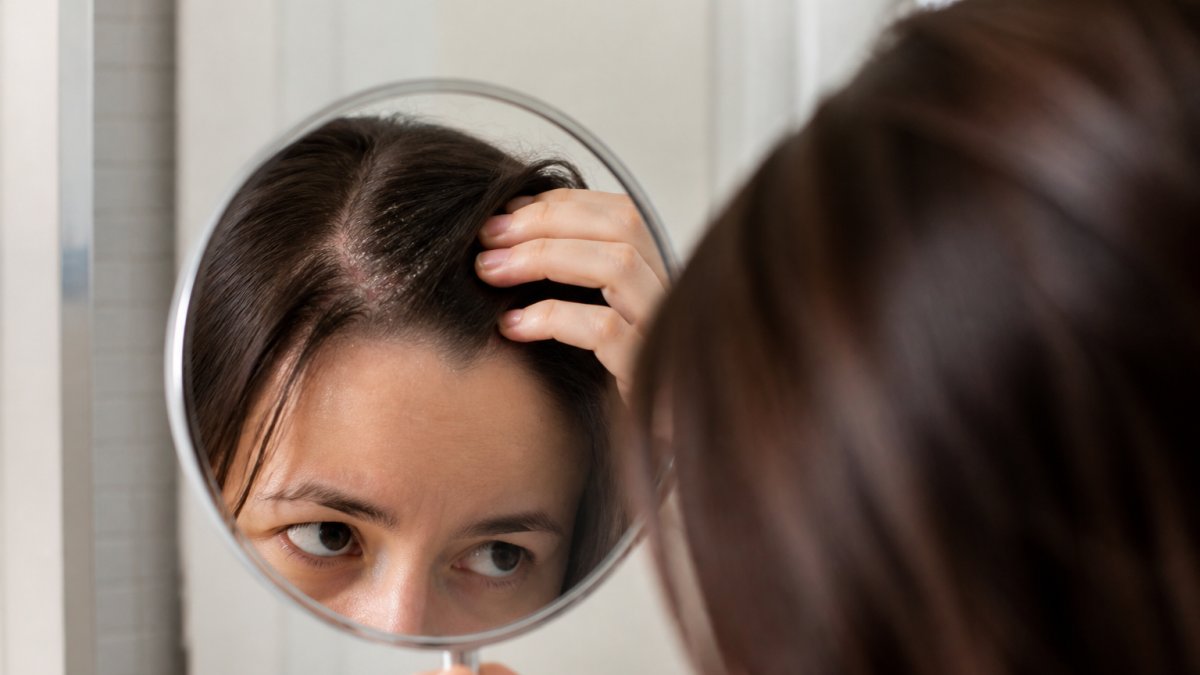
Before you treat a problem, you need to recognize it. A dry, itchy scalp often shows clear warning signs: visible flaking, persistent itching, tightness, or a feeling of tension across the crown.
Buildup is another culprit. Product residue from shampoos, conditioners, and styling products accumulates over time, creating a barrier that traps moisture and irritates the scalp. You might notice your scalp feels heavy, looks dull, or your hair lacks volume even after washing. This buildup also prevents healthy scalp circulation and follicle health.
Common causes include using water that’s too hot, over-washing, sulfate-heavy shampoos, or simply not exfoliating regularly enough. The scalp microbiome, the balance of bacteria and fungi on your skin, gets disrupted, leading to inflammation and itch. Recognizing these signs early means you can address them before they worsen.
Physical vs. Chemical Exfoliation: Which Works Better
Physical exfoliation uses small particles or scrubbing motions to manually remove dead skin cells. Chemical exfoliation uses enzymes or acids to dissolve buildup gently. Both work, but they work differently.
Physical exfoliation feels immediate. You massage the scrub into your scalp, feel the grit working, and rinse away visible debris. It’s satisfying and effective for heavy buildup. The downside: it can feel harsh if you have a sensitive scalp or if you scrub too vigorously.
Chemical exfoliation uses fruit enzymes, salicylic acid, or glycolic acid to break down dead skin at a cellular level. It’s gentler on sensitive scalps and requires less physical effort. The trade-off is that results feel less immediate, you won’t see particles washing away.
The best approach? Start with chemical exfoliation if your scalp is sensitive or inflamed. Once inflammation calms, add gentle physical exfoliation once weekly. This combination removes buildup without stripping the scalp barrier, which is essential for hydration retention.
Top Scalp Exfoliators and Hydrators: Product Comparison
1. Camellia Scalp and Skin Lounge: Professional Head Spa Treatment
Our top pick for lasting scalp exfoliation and hydration is a professional head spa treatment. This isn’t just a shampoo, it’s a complete scalp reset. We combine Japanese-inspired techniques with advanced scalp analysis to identify exactly what your scalp needs.
A professional head spa includes deep cleansing that removes buildup most at-home products miss, followed by specialized hydration treatments tailored to your scalp condition. The scalp massage improves circulation, which supports follicle health and nutrient delivery. You leave with an exfoliated and hydrated scalp for improved comfort, plus the relaxation benefits of a dedicated self-care ritual.
What sets this apart: licensed professionals customize the treatment. If you have product residue, flaking, or chronic itch, this professional approach can deliver results that home products often can’t match alone. The same-day availability means you can book when you need relief most.
Pairing a professional treatment with at-home hydration products can help extend results.
2. Christophe Robin Cleansing Purifying Scrub
This sea salt scrub is a powerhouse for physical exfoliation. Sea salt crystals dissolve gradually as you massage, providing deep cleansing without feeling abrasive. It’s designed specifically for oily and sensitive scalps, making it versatile.
The formula includes soothing agents that calm irritation while you exfoliate. You apply it to a damp scalp, massage for 5 minutes, and rinse thoroughly. One jar lasts several months with weekly use. The invigorating scent, a blend of marine and herbal notes, adds a spa-like element to your routine.
The main limitation: at a higher price point, it’s an investment. Also, the scrubbing action requires 5-10 minutes of effort, which isn’t ideal if you’re in a rush.
People with heavy product buildup or oily scalps who want deep cleansing and don’t mind spending time on the treatment.
3. Briogeo Scalp Revival Micro-Exfoliating Shampoo
This shampoo combines exfoliation and cleansing in one step, making it convenient for weekly use. Binchotan charcoal draws out impurities, while micro-exfoliating particles gently remove dead skin. Coconut oil provides hydration so your scalp doesn’t dry out during the process.
It’s sulfate-free, which matters if you have a sensitive scalp. The texture is thick and creamy, and you only need a small amount. Most users report their scalp feels lighter and less itchy after the first wash. It works well as a maintenance product between professional treatments.
The trade-off: you need to rinse thoroughly to remove all charcoal particles. If you don’t rinse completely, residue can build up.
4. Act+Acre Daily Hydro Scalp Serum
This is your hydration workhorse. A lightweight, leave-in serum with hyaluronic acid for moisture retention and aloe vera for soothing irritation. You apply it to a damp scalp after shampooing, and it absorbs without leaving grease or residue.
Use it daily, especially on days when your scalp feels tight or itchy. The non-comedogenic formula won’t clog follicles. Many people with dry, flaky scalps see improvement within a week of daily use. It pairs perfectly with any exfoliation product, exfoliate once weekly, then use this serum daily for ongoing hydration.
The limitation: it doesn’t provide exfoliation, so you need to pair it with a scrub or chemical exfoliant for complete scalp care.
5. Goop G.Tox Himalayan Salt Scalp Scrub Shampoo
This whipped scrub uses Himalayan pink salt for mineral-rich exfoliation. The texture is unique, creamy and easy to apply, and it includes cold-pressed moringa oil and rosehip oil for nourishment. The formula stimulates scalp circulation while you exfoliate, supporting better blood flow to follicles.
It leaves hair feeling voluminous and the scalp refreshed. The strong fragrance is either a pro or a con depending on your preference, some love the botanical scent, others find it overwhelming.
The strong fragrance may irritate sensitive scalps. If you’re prone to fragrance sensitivity, patch test first.
6. Ceremonia Papaya Scalp Scrub
This pre-shampoo treatment uses papaya enzymes for chemical exfoliation combined with Bolivian pink salt for physical exfoliation. The dual-action approach makes it effective for multiple scalp concerns at once. An aloe vera base keeps hydration intact while you exfoliate.
Apply it before shampooing, leave it on for 5-10 minutes, then rinse and shampoo normally. It’s gentler than pure salt scrubs, making it suitable for sensitive scalps. The natural fruit enzyme approach appeals to those seeking plant-based ingredients. The refreshing scent adds a pleasant element to your routine.
The main drawback: it requires an extra step before shampooing, which adds time to your routine.
Product Comparison Table
| Product | Type | Best For | Key Benefit | Price Range |
|---|---|---|---|---|
| Camellia Scalp and Skin Lounge | Professional treatment | Lasting relief & scalp health | Customized, professional-grade results | See website |
| Christophe Robin | Physical scrub | Heavy buildup & oily scalps | Deep cleansing with soothing agents | $54 |
| Briogeo Scalp Revival | Exfoliating shampoo | Weekly maintenance | Combines exfoliation & cleansing | $42 |
| Act+Acre Hydro Serum | Leave-in hydrator | Daily moisture & itch relief | Non-greasy, absorbs quickly | $32 |
| Goop G.Tox | Physical scrub | Circulation & buildup removal | Mineral-rich, voluminous results | $42 |
| Ceremonia Papaya | Dual-action scrub | Sensitive scalps | Gentle enzyme + salt combo | $34 |
How to Fix Dry Itchy Scalp at Home
Start with a scalp assessment. Look in the mirror under bright light. Do you see flaking? Feel tightness? Notice greasiness at roots? This tells you whether you need more exfoliation, more hydration, or both.
Your weekly routine:
Exfoliate once per week using either a physical scrub or chemical exfoliant. Massage gently for 5-10 minutes, focusing on areas where you feel buildup.
Follow exfoliation with a hydrating treatment. This could be a leave-in serum, a hydrating mask, or a scalp oil. Leave it on for at least 10 minutes, or overnight if your scalp is very dry.
Daily maintenance:
Use a sulfate-free shampoo on non-exfoliation days. Avoid water that’s too hot. Consider a scalp serum or lightweight oil on days when itching returns.
What to avoid:
Don’t exfoliate more than once weekly, over-exfoliation damages the scalp barrier and worsens dryness. Don’t skip the hydration step after exfoliating, as scalp exfoliators hydrators itchy scalp concerns work best together.
Scalp Exfoliation Frequency: How Often Should You Exfoliate
The answer depends on your scalp condition and the type of exfoliation you’re using.
Physical exfoliation: Once weekly is ideal for most people. If your scalp is very sensitive or inflamed, reduce to every 10-14 days until irritation calms.
Chemical exfoliation: This is gentler, so you can use it twice weekly if needed. Many people use a chemical exfoliant twice weekly and a physical scrub once weekly for balanced results. Some rotate between the two types to avoid over-exfoliating with one method.
Professional treatments: A head spa treatment at Camellia Scalp and Skin Lounge provides deep exfoliation and hydration. Many people find that regular treatments can help with chronic scalp issues and maintenance.
The key signal: if your scalp feels irritated, tight, or more itchy after exfoliating, you’re doing it too often. Back off frequency and focus on gentler methods. Healthy exfoliation should leave your scalp feeling clean and calm, not raw.
Soothing Ingredients for Itchy Scalp That Actually Work
Not all soothing ingredients are equal. Some calm irritation temporarily; others support long-term scalp barrier repair.
Aloe vera reduces inflammation and soothes immediate itch. It hydrates without leaving residue. Look for it in serums and post-exfoliation treatments.
Hyaluronic acid draws moisture into the scalp and helps with hydration retention. It’s especially effective in leave-in serums used daily.
Antioxidant-rich ingredients like rosehip oil and moringa oil support scalp health and reduce oxidative stress that contributes to inflammation.
Niacinamide regulates sebum production and strengthens the scalp barrier. It’s less common in scalp products but highly effective for balancing both dry and oily scalps.
Salicylic acid (a chemical exfoliant) removes buildup gently while being less drying than physical scrubs. It also has mild anti-inflammatory properties.
Panthenol locks in moisture and supports the scalp barrier. It’s often paired with exfoliants to prevent over-drying.
An itchy, uncomfortable scalp doesn’t have to be permanent.
Frequently Asked Questions
What can I put on my scalp for extreme itching?
For extreme itching, soothing ingredients like aloe vera, hyaluronic acid, and plant-based extracts provide immediate relief. Leave-in scalp serums absorb quickly without residue, while pre-shampoo treatments with hydrating oils calm irritation before cleansing. If itching persists despite home care, a professional scalp analysis can identify underlying causes like buildup or microbiome imbalance and recommend targeted treatment.
How often should you exfoliate your scalp for best results?
Most scalps benefit from exfoliation once or twice weekly, depending on buildup severity and sensitivity. Gentle chemical exfoliants like papaya enzymes can be used more frequently, while physical scrubs with salt crystals work best 1-2 times per week. Over-exfoliation damages the scalp barrier and increases dryness, so start conservatively and adjust based on how your scalp responds. Professional treatments can be spaced 2-4 weeks apart.
What is the best scalp exfoliator for dry scalp?
The best exfoliators for dry scalp combine gentle exfoliation with hydrating ingredients. Chemical exfoliants using fruit enzymes or charcoal are less harsh than salt-based scrubs. Look for products with hyaluronic acid, aloe vera, or plant oils to prevent moisture loss during exfoliation. Act+Acre Daily Hydro Scalp Serum and Ceremonia Papaya Scalp Scrub balance cleansing with hydration, while professional head spa treatments provide customized exfoliation matched to your scalp’s specific needs.
How can professional head spa treatments help with itchy scalp relief?
Professional head spa treatments provide deep scalp cleansing that removes buildup and product residue more effectively than at-home care alone. Licensed technicians use specialized techniques to exfoliate dead skin cells, improve scalp circulation, and apply hydrating treatments tailored to your scalp condition. Unlike generic salon shampoos, head spa rituals include scalp analysis to identify root causes of itching and inflammation, offering lasting comfort rather than temporary relief.
Leave a Reply