Table of Contents
- What a Head Spa Near Me Actually Is
- Japanese Head Spa Benefits: Scalp Detox and Follicle Stimulation
- Head Spa Treatment Duration and What Happens in Each Phase
- How to Prepare for a Head Spa Appointment
- Contraindications and Safety: Who Should Skip a Head Spa
- Aftercare: Keeping Your Scalp Healthy Between Visits
- How to Choose a Head Spa Near Me and Book With Confidence
- Frequently Asked Questions
Last Updated: September 24, 2026
What a Head Spa Near Me Actually Is
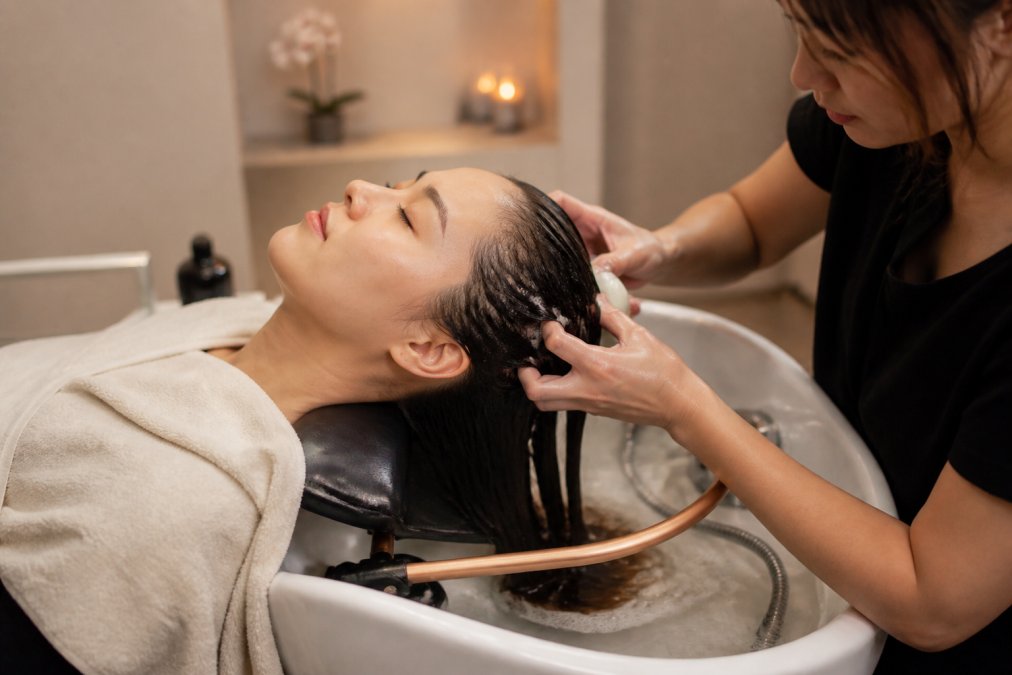
A head spa is a dedicated scalp and hair treatment that cleanses, exfoliates, and massages the scalp using warm water, targeted products, and gentle stimulation techniques. Unlike a standard shampoo at a salon, a head spa session focuses on the skin where hair grows, not just the strands themselves.
This guide from Camellia Scalp and Skin Lounge breaks down what actually happens during a session, how long it takes, who should avoid it, and how to pick the right provider.
Most people treat scalp problems with a new shampoo and hope for the best. That approach misses the root cause.
Japanese Head Spa Benefits: Scalp Detox and Follicle Stimulation
Japanese head spa benefits center on three measurable outcomes: a cleaner scalp surface, improved blood flow to the follicle, and a measurable drop in tension held in the scalp, neck, and shoulders. The treatment combines water therapy, manual massage, and gentle exfoliation to remove what regular washing leaves behind, but the interesting part is why each step matters.
Scalp Analysis and Sebum Control
A quality session starts with a scalp analysis. A trained professional uses a magnified camera, often a trichoscope or a digital scalp scope, to check for dryness, oiliness, flaking, and product buildup. This step determines which products and techniques get used.
Circulation, Stress Relief, and Deep Relaxation
Manual massage does more than feel good. The scalp sits directly on top of a dense network of blood vessels, and the hair follicle is one of the most metabolically active structures in the body, it needs steady blood flow to receive oxygen and nutrients. Sustained, rhythmic pressure from a trained practitioner is one of the few ways to influence that flow from the outside.
Ask for a scalp analysis before your first treatment, even if it costs extra. Knowing whether your scalp is oily, dry, or combination prevents you from paying for the wrong service, and it gives you a baseline to compare against at your next visit.
A head spa is not a hair-growth treatment. It is a scalp-health treatment. The benefits that hold up are cleaner follicles, better circulation to the tissue around the follicle, and real relaxation. Anyone promising regrowth from a scalp massage alone is overselling.
Head Spa Treatment Duration and What Happens in Each Phase
Head spa treatments vary in duration depending on the service level and add-ons. A basic session typically covers cleansing and massage, while extended sessions may include additional steps like scalp exfoliation and aromatherapy.
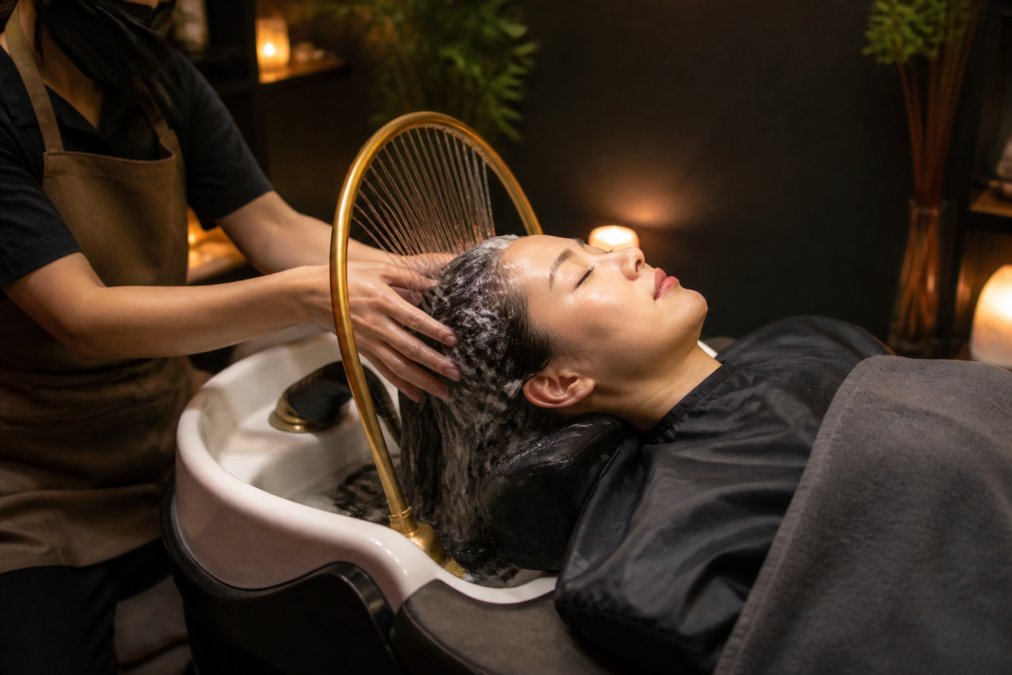
Here’s how a typical session breaks down:
| Phase | Duration | What Happens |
|---|---|---|
| Consultation and analysis | 10-15 min | Scalp check, product selection |
| Cleansing and exfoliation | 15-20 min | Warm water rinse, gentle scrub |
| Massage and treatment | 20-30 min | Pressure point work, serum application |
| Steam and rinse | 10-15 min | Water therapy, final cleanse |
| Finishing | 5-10 min | Blow dry, styling, aftercare advice |
Water Therapy and Aromatherapy Massage
Water therapy uses a continuous flow of warm water across the scalp to loosen buildup and improve circulation. The temperature stays controlled, which prevents the shock of a cold rinse.
How to Prepare for a Head Spa Appointment
Preparing for a head spa appointment takes about five minutes of planning. Arrive with dry, unwashed hair so your provider can assess your scalp in its natural state.
A few practical steps make the session smoother:
- Skip heavy styling products for 24 hours before your visit. Buildup masks the real condition of your scalp.
- Eat something light beforehand. Sessions run long, and lying still on an empty stomach gets uncomfortable.
- Bring a hair tie or clip if you have long hair. It makes the transition between phases easier.
- List any scalp concerns you want addressed, including itching, flaking, or thinning.
- Avoid caffeine right before your appointment if you want to fully relax.
Contraindications and Safety: Who Should Skip a Head Spa
A head spa isn’t right for everyone, and the honest version of this section is more useful than the version most providers publish. The key distinction is between conditions that mean wait, conditions that mean modify the service, and conditions that mean skip it entirely.
When to Wait
These are temporary. Reschedule once the skin has healed.
- Active scalp infections, fungal, bacterial, or viral. Massage and warm water can spread the infection and irritate the surrounding skin.
- Open wounds, cuts, or scratches on the scalp. Even minor ones. Warm water and product will sting and slow healing.
- Recent chemical burns from bleach, relaxers, or a bad color service. The barrier is compromised and needs time to rebuild.
- Sunburn on the scalp or hairline. Same logic, the skin is inflamed and any friction makes it worse.
- Recent head, neck, or hair transplant surgery. Follow your surgeon’s clearance timeline, not the spa’s.
When to Modify the Service
These don’t rule out a session, but they change how it should be performed. Tell your provider before you book.
- Pregnancy. Some essential oils, rosemary, sage, and clary sage among them, are commonly avoided during pregnancy. A trained provider can swap to pregnancy-safe options and adjust pressure and positioning. This is a reason to communicate, not a reason to skip.
- Sensitive or reactive skin. Skip exfoliating scrubs and high-concentration essential oils. Ask for a fragrance-free or low-fragrance protocol.
- Essential oil or fragrance allergies. Bring the specific list. “Natural” does not mean “safe” for someone with a known sensitivity.
- Scalp psoriasis or seborrheic dermatitis. A gentle session can help loosen scale, but aggressive exfoliation can trigger a flare. Ask the provider to work around active patches.
- Recent chemical treatments, perms, relaxers, keratin. Wait at least a week so the treatment doesn’t strip or react with the service.
When to Skip It
These need a medical opinion first, not a spa booking.
- A diagnosed skin condition affecting the scalp that is currently active or being treated.
- Severe allergies with a history of anaphylaxis to any ingredient in a spa product line.
- Unexplained hair loss, sudden shedding, or patchy bald spots. These are symptoms, not cosmetic problems. See a dermatologist before booking a scalp treatment, a spa visit can mask the timeline and delay a diagnosis.
- Active outbreak of any kind on the scalp, face, or neck.
Why This Section Matters
Licensed professionals are trained to spot contraindications during the consultation, and a reputable provider will ask about health history before the first drop of water hits your scalp. Be honest. Hiding a condition to avoid rescheduling puts you at risk and makes the provider’s job harder.
If you are experiencing sudden or unexplained hair loss, do not book a head spa as a first step. See a dermatologist. A scalp treatment can feel soothing and still delay a diagnosis that matters.
American Academy of Dermatology scalp care guidance
Aftercare: Keeping Your Scalp Healthy Between Visits
Aftercare decides how long your results last. The scalp continues to produce oil and shed dead skin, so maintenance between visits keeps things balanced.
A simple routine keeps your scalp in good shape:
- Wash with lukewarm water, not hot
- Avoid scratching or picking at the scalp
- Use a scalp brush gently during washing
- Limit dry shampoo to once or twice a week
- Book your next session before problems return
Don’t apply heavy oils or leave-in treatments right after a session. They undo the deep clean and can clog follicles within days. Wait at least 48 hours before reintroducing styling products.
How to Choose a Head Spa Near Me and Book With Confidence
Choosing a head spa near me comes down to four checks: licensing, transparency, consultation process, and hygiene. Ask about all four before you book.
American Academy of Dermatology scalp care guidance
Frequently Asked Questions
How much do head spas usually cost?
Pricing depends on the provider, treatment length, and add-ons like scalp analysis or aromatherapy massage. A head spa near me may charge more in a luxury lounge than a walk-in salon, so ask for the full menu before booking. Camellia Scalp and Skin Lounge publishes transparent pricing on its website, so you can see exact costs before you commit. Compare what each session includes, not just the base rate, since a longer ritual with scalp detox and consultation often delivers more value.
Is going to a head spa worth it?
For many people, yes. A professional head spa treatment goes beyond a salon shampoo by combining scalp analysis, exfoliation, follicle stimulation, and deep relaxation. If you deal with buildup, flaking, or tension, the focused scalp health work can be more effective than drugstore products alone. Results vary by person and condition, so think of it as ongoing scalp care rather than a one-time fix. Booking a consultation first helps you decide if the investment matches your goals.
What does a head spa typically include?
Most sessions include a consultation, scalp analysis, cleansing, exfoliation, a scalp massage, and hydration. Many providers add water therapy, aromatherapy massage, and a brief shoulder or neck massage. The exact menu varies, so ask what is included before you book. At Camellia Scalp and Skin Lounge, the ritual is customized based on your scalp condition, which means the esthetician may adjust steps after reviewing your scalp.
How often should you get a professional scalp treatment?
Frequency depends on your scalp condition, hair type, and goals. Some individuals find monthly visits beneficial for maintaining scalp health and managing buildup, while others may prefer a different schedule as part of their hair care routine. If you are addressing specific concerns like flaking or product buildup, a provider may suggest a particular frequency initially, which can then be adjusted. It’s best to ask your esthetician for a schedule based on your individual scalp analysis rather than following a generic rule.
Scalp issues rarely fix themselves with a new product alone. They need consistent, professional care and a routine that supports what happens in the treatment room.
At Camellia Scalp and Skin Lounge, we build that routine around your scalp, not a generic menu. Our scalp analysis, customized treatment plans, and transparent pricing make it easy to know what you’re getting before you book. Get started with Camellia Scalp and Skin Lounge and give your scalp the consistent care it needs.
Leave a Reply